Dear friends in Christ,
There are moments in every human life when we sense that something within us needs to be healed. We may not always use religious words to describe it. We may call it emptiness, guilt, fear, regret, loneliness, or the quiet feeling that despite all our efforts, we have not yet become the person we were meant to be. We carry memories that trouble us, wounds that have not fully closed, and questions that seem to follow us into the silence of the night. Beneath the many concerns of daily life, the human heart longs not merely to survive, but to be restored.
This longing lies near the center of the Christian understanding of salvation. Salvation is not simply a religious idea about what happens after death. It is the good news that God has not abandoned humanity in its brokenness. It is the proclamation that Jesus Christ came into the world to seek, forgive, heal, rescue, and renew those who have wandered far from the love of God. Christians believe that salvation is the great gift of God’s mercy: a gift that begins in this life, reaches into eternity, and transforms the heart from within.
To ask, “What is salvation in Christianity?” is to ask one of the deepest questions of faith. It is to ask why Jesus came, why He died upon the cross, why Christians speak so often of grace, forgiveness, redemption, and eternal life. It is also to ask a personal question: Can a human life truly be changed? Can the burden of sin be lifted? Can hope rise again after failure? Can we be reconciled to God, to one another, and even to ourselves?
The Christian answer is not based first on human achievement. It begins with the love of God. Salvation is not something we earn by being impressive, successful, or morally perfect. It is the work of God’s grace, offered to us through Jesus Christ. Yet this grace does not leave us passive or unchanged. It calls us into faith, repentance, love, and a new way of living. It invites us to receive what we cannot create for ourselves: the life of God dwelling within us.
Salvation Begins with the Love of God
The Christian story of salvation begins not with human failure, but with divine love. Before speaking of sin, judgment, or redemption, Scripture reveals a God who creates the world in goodness. Human beings are not accidents in a cold universe. They are created in the image of God, called into communion with Him, and given the dignity of being loved by their Creator.
The Book of Genesis speaks of humanity as bearing God’s image. This means that every person possesses a sacred worth that cannot be reduced to wealth, appearance, talent, status, or success. We are made for relationship with God. We are made to know truth, to love goodness, to care for one another, and to receive the life of God as our true home.
Yet the story of humanity also reveals a tragic wound. Human beings are free, and freedom includes the possibility of turning away from God. The Bible describes sin not only as the breaking of rules, but as a deeper separation from the One who gives life. Sin is the refusal of love. It is the turning inward of the human heart. It is the attempt to live as though we can become whole without God.
Sin Is More Than Personal Failure
Sometimes people hear the word “sin” and think only of shame or punishment. But in the Christian faith, sin is also a name for the brokenness we can see everywhere: hatred, greed, cruelty, dishonesty, violence, injustice, pride, selfishness, and the many ways human beings wound one another. It is the darkness that enters families, communities, nations, and even the hidden places of our own hearts.
Saint Paul writes, “For all have sinned, and come short of the glory of God” (Romans 3:23). These words are not meant to humiliate us. They are meant to tell the truth about the human condition. None of us stands before God with a perfect heart. None of us can claim to have loved as deeply as we should have loved. None of us has escaped the need for mercy.
This truth can be painful, but it can also be freeing. We do not have to pretend that we are without need. We do not have to hide every weakness behind a polished image. The Gospel begins when we are honest enough to say, “Lord, I need You.” Salvation becomes real when we allow God to meet us not in the illusion of our strength, but in the truth of our need.
Jesus Christ Is the Heart of Christian Salvation
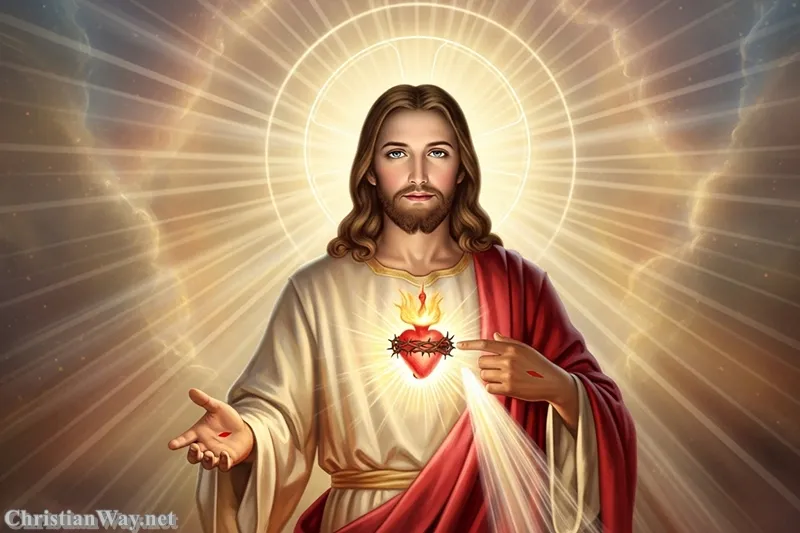
For Christians, salvation is inseparable from the person of Jesus Christ. Christianity does not merely offer a moral system or a set of inspiring teachings. At its center is the conviction that God has come near to humanity in Jesus. In Him, the eternal Word of God took on human flesh, entered our suffering, shared our weakness, and opened the way back to the Father.
The Gospel of John speaks this truth with great simplicity and beauty: “For God so loved the world, that he gave his only begotten Son, that whosoever believeth in him should not perish, but have everlasting life” (John 3:16). These words are familiar to many Christians, yet they never lose their depth. God’s answer to a wounded world is not indifference. It is love. God does not remain distant from our pain. He comes into the world through Jesus Christ.
Jesus did not live among people as a ruler seeking power or admiration. He drew near to the poor, the sick, the grieving, the forgotten, and those whom society considered unworthy. He touched lepers. He forgave sinners. He welcomed children. He wept with those who mourned. He spoke words of peace to those burdened by fear. In every act of mercy, Jesus revealed the heart of God.
The Cross Reveals the Depth of Redemption
The cross stands at the center of Christian faith because it reveals both the seriousness of sin and the greater power of divine love. On the cross, Jesus entered into the deepest darkness of human suffering. He faced betrayal, rejection, injustice, violence, and death. Yet He did not answer hatred with hatred. He answered it with love.
When Jesus prayed, “Father, forgive them; for they know not what they do” (Luke 23:34), He showed the world a love that does not surrender to cruelty. His forgiveness reached even into the place of violence. His mercy was not weakness. It was the strength of God overcoming the power of sin.
Christians understand the death of Jesus as an act of redemption. To redeem means to rescue, to set free, to restore what has been lost. Humanity could not heal its separation from God by its own strength. Therefore, Jesus entered into our condition and carried the burden of sin upon Himself. He became, in the words of Scripture, the Lamb of God who takes away the sin of the world.
Saint Paul wrote, “But God commendeth his love toward us, in that, while we were yet sinners, Christ died for us” (Romans 5:8). Notice the tenderness of this truth. Christ did not wait for humanity to become worthy before loving humanity. He loved us while we were still wounded, still confused, still distant, still struggling. Salvation begins with this mercy.
The Resurrection Gives Salvation Its Living Hope
The cross cannot be separated from the resurrection. Christians do not believe that Jesus simply died as a noble teacher or tragic martyr. They believe that on the third day He rose from the dead. The resurrection is the declaration that death does not have the final word, sin does not have the final victory, and despair does not have the final claim upon the human heart.
The resurrection of Christ is not merely a promise about the future. It is the beginning of a new creation. In Jesus, humanity is offered a new life that is stronger than death. The risen Christ meets His disciples not as a ghost from the past, but as the living Lord who sends them into the world with peace, forgiveness, and hope.
After His resurrection, Jesus appeared to frightened disciples who had abandoned Him. He did not come to condemn them. He came saying, “Peace be unto you” (John 20:19). This is one of the most beautiful images of salvation in the whole Gospel. The disciples had failed. They had been afraid. They had hidden behind locked doors. Yet Jesus came through the fear and spoke peace.
So often, people believe that God will come close only after they have repaired every failure and become spiritually strong. But the risen Christ comes to people behind locked doors. He comes to those who are ashamed, anxious, grieving, and uncertain. He comes not to crush the weak, but to raise them into new life.
Grace Is the Gift We Cannot Earn
One of the most important words in the Christian understanding of salvation is grace. Grace means the undeserved love and help of God. It is God reaching toward humanity before humanity has earned anything. It is the kindness of God offered freely to the sinner, the weary, the proud, the broken, and the searching.
The Letter to the Ephesians says, “For by grace are ye saved through faith; and that not of yourselves: it is the gift of God” (Ephesians 2:8). These words protect the heart of the Gospel. Salvation is not a prize given to the spiritually successful. It is not a reward for those who have managed to become perfect. It is a gift.
This does not mean that Christian life is without responsibility. Grace is not permission to remain unchanged. Grace heals, strengthens, teaches, and calls us forward. But the beginning of salvation is always God’s initiative. Before we reach for Him, He reaches for us. Before we return, He is already waiting. Before we understand His love, He has already loved us.
Faith Is Trusting the Mercy of Christ
Faith is the human response to grace. Faith is more than agreeing with certain statements about God. It is trusting ourselves to Jesus Christ. It is opening the heart to receive His mercy. It is believing that His death and resurrection are not distant events, but the source of life for us today.
To have faith does not mean that we never struggle with doubt. Many faithful people know seasons of uncertainty, dryness, fear, or unanswered questions. Faith is not always a feeling of certainty. Sometimes faith is simply the quiet decision to turn toward God even when the road ahead is unclear.
The father in the Gospel who cried out to Jesus, “Lord, I believe; help thou mine unbelief” (Mark 9:24), speaks for many of us. His words are honest. He believed, but he also knew his weakness. Jesus did not reject him because his faith was imperfect. Instead, He met him with compassion.
This is an important truth for every person who feels spiritually weak. You do not need to approach Christ with a flawless heart. You may come with questions. You may come with tears. You may come with a faith that feels small and trembling. What matters is that you come.
Salvation Includes Forgiveness and Reconciliation
Forgiveness is one of the most precious gifts of salvation. When people carry guilt for many years, they can begin to believe that their past has permanently defined them. They may feel that their mistakes are too great, their wounds too deep, or their failures too shameful to be healed. But the Gospel tells us that no sincere turning toward God is beyond the reach of mercy.
Jesus repeatedly offered forgiveness to those burdened by sin. He forgave the woman who wept at His feet. He welcomed Zacchaeus, a man known for dishonesty. He spoke mercy to the thief beside Him on the cross. These encounters reveal that salvation is not about pretending that sin does not matter. Sin matters deeply because it wounds love. But God’s mercy is greater still.
The First Letter of John gives this promise: “If we confess our sins, he is faithful and just to forgive us our sins, and to cleanse us from all unrighteousness” (1 John 1:9). Confession is not merely the listing of failures. It is the opening of the heart to healing. It is the moment when we stop hiding and allow the light of God to enter.
Repentance Is Returning Home
Repentance is often misunderstood as fear or self-hatred. In the Christian tradition, repentance means turning around. It means returning to God. It is the movement of the heart that says, “I have wandered, but I want to come home.”
The parable of the prodigal son offers one of the clearest pictures of salvation. The younger son leaves his father, wastes his inheritance, and eventually finds himself empty and ashamed. When he returns, he expects rejection. But the father runs to meet him, embraces him, clothes him, and welcomes him home.
This parable reveals the heart of God. The father does not deny the reality of the son’s mistakes. Yet the son’s failures do not cancel the father’s love. The return is met with mercy, not humiliation. The lost child is restored to dignity.
For many people, salvation begins with the realization that God is not waiting to reject them. He is waiting to receive them. The road of repentance may be difficult, but it is not a road toward despair. It is a road toward home.
Salvation Is Both a Moment and a Lifelong Journey
Different Christian traditions often emphasize different aspects of salvation. Some Christians speak strongly about a personal moment of conversion, when a person places faith in Christ and receives forgiveness. Others speak of salvation as a lifelong journey of being healed, sanctified, and transformed into the likeness of Christ. These perspectives need not be enemies. Both are rooted in the rich language of Scripture.
There can indeed be a moment when the heart awakens to the mercy of God. A person may remember the day they first believed, first prayed sincerely, first understood the Gospel, or first felt the burden of guilt begin to lift. Such moments are precious. They are signs of grace entering a life.
Yet salvation also unfolds over time. The Christian life is a journey of learning to love as Christ loves. It is a gradual transformation in which selfishness gives way to generosity, fear gives way to trust, bitterness gives way to forgiveness, and isolation gives way to communion.
Saint Paul writes, “Work out your own salvation with fear and trembling. For it is God which worketh in you both to will and to do of his good pleasure” (Philippians 2:12–13). These words hold together human response and divine grace. We are called to participate in the life God gives us, but it is God Himself who works within us.
Sanctification Is Becoming More Like Christ
The word sanctification means the process by which God makes us holy. Holiness is not cold perfection or religious pride. It is a life increasingly shaped by love. It is becoming more truthful, more compassionate, more patient, more humble, and more faithful.
This transformation often happens quietly. It may happen through prayer, worship, Scripture, service, suffering, repentance, friendship, and the ordinary responsibilities of life. A mother caring for her child with patience, a worker choosing honesty when no one is watching, a person forgiving an old injury, a young believer resisting despair, an elderly person praying faithfully through loneliness—these can all become places where salvation is lived.
In Catholic and Orthodox traditions, salvation is often spoken of as participation in the divine life, sometimes described as being drawn into communion with God and transformed by His grace. In many Protestant traditions, salvation is often emphasized through justification by faith, the forgiveness and acceptance of the sinner through Christ. Though language differs, Christians across these traditions proclaim that salvation comes through Jesus Christ and that the Christian life is meant to bear the fruit of a changed heart.
The Church and the Sacraments in the Life of Salvation
Christians are not saved as isolated individuals cut off from others. God calls people into a community of faith. The Church is not merely an organization or a building. It is the gathered people of God, the body of Christ in the world, called to worship, serve, forgive, teach, and bear witness to the Gospel.
Jesus gave His followers the command to love one another. He said, “By this shall all men know that ye are my disciples, if ye have love one to another” (John 13:35). Salvation creates a new family. It breaks down the walls that sin has built between people. It teaches us that faith cannot remain only private. It must become visible in compassion, justice, mercy, and love.
For many Christians, baptism holds a central place in the beginning of the Christian life. Baptism is a sign of dying and rising with Christ, of being washed by grace and welcomed into the people of God. In the Catholic, Orthodox, Anglican, Lutheran, and many other Christian traditions, baptism is received as a sacred gift through which believers are united with Christ and His Church.
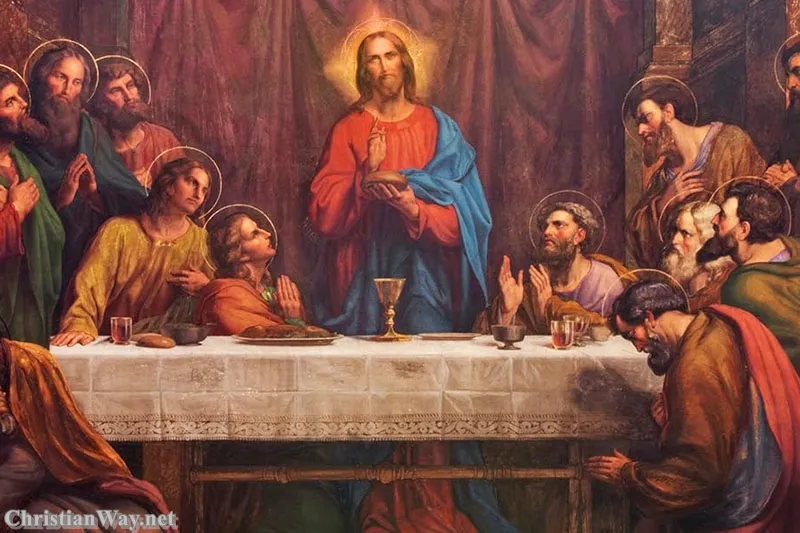
The Lord’s Supper, also called the Eucharist or Holy Communion, is likewise central for many Christians. At the table of Christ, believers remember His saving death, receive spiritual nourishment, and are reminded that salvation is communion with God and with one another. Christians may differ in how they understand the mystery of Christ’s presence in the bread and wine, but they share the conviction that the meal points to the sacrifice, love, and continuing presence of Jesus.
Salvation Changes How We Live in the World
A salvation that remains only an idea has not yet reached the fullness of its purpose. Jesus saves us not only from something, but for something. He saves us from sin, fear, alienation, and death; He saves us for love, truth, holiness, service, and eternal life.
This means that salvation touches daily life. It changes how we speak to our spouse, how we care for our children, how we treat strangers, how we handle money, how we respond to anger, and how we face suffering. It leads us to ask not only, “Will I be forgiven?” but also, “How can I become an instrument of God’s forgiveness in the lives of others?”
The Letter of James reminds Christians that faith bears fruit in action. A living faith does not simply speak about love; it practices love. It does not ignore the hungry, the poor, the oppressed, or the lonely. It sees Christ in those who suffer and responds with mercy.
Salvation Gives Courage in Suffering
One of the greatest gifts of Christian salvation is hope in suffering. The Gospel does not promise that believers will never face pain. Jesus Himself said that His followers would know trials. Christians experience grief, illness, disappointment, loss, injustice, and uncertainty just as others do.
Yet salvation means that suffering is not meaningless. Because Christ entered suffering and rose again, believers can trust that even the darkest night is not beyond the reach of God. The cross tells us that God is present in pain. The resurrection tells us that pain will not have the final word.
There are seasons when this hope may feel difficult to hold. A person grieving a loved one may not feel immediately comforted. Someone facing illness may still be afraid. A family under financial strain may still wonder how they will endure. Christian hope does not demand that people deny these struggles. It simply invites them to bring every burden to Christ.
The Psalmist says, “The Lord is nigh unto them that are of a broken heart; and saveth such as be of a contrite spirit” (Psalm 34:18). God does not stand far away from those who suffer. He draws near.
Eternal Life Is the Fulfillment of Salvation
Christian salvation includes the hope of eternal life. This does not mean merely living forever in the same wounded condition we know now. Eternal life is communion with God. It is the restoration of creation. It is the fulfillment of every holy longing: peace without fear, love without loss, joy without sorrow, and life without death.
Jesus said, “I am the resurrection, and the life: he that believeth in me, though he were dead, yet shall he live” (John 11:25). These words were spoken in the presence of grief. Jesus said them to Martha after the death of her brother Lazarus. He did not dismiss her sorrow. He wept with those who mourned. Yet He also gave a promise beyond the grave.
For Christians, heaven is not an escape from the world, but the fulfillment of God’s purpose for the world. Scripture speaks of a new heaven and a new earth, where God will dwell with His people and wipe away every tear. Salvation is therefore deeply hopeful. It tells us that love is stronger than death because God Himself is love.
Receiving Salvation Today
The question of salvation is never only about the distant future. It is also about this present day. How do we receive the grace of Christ now?
We begin with honesty. We bring God our real heart, not a polished version of ourselves. We confess our need for mercy. We acknowledge the sins, fears, and wounds that we have carried. We ask Jesus to forgive us, lead us, and make us new.
We receive salvation through faith. We trust that Christ is who He says He is: the Savior who died and rose again for the life of the world. We entrust ourselves to Him, even when our faith feels small. We allow His words to become more than information; we allow them to become the foundation of our lives.
We continue in prayer, worship, Scripture, fellowship, and acts of love. We do not walk alone. We become part of the people of God, learning day by day to follow Christ more faithfully. We may stumble. We may need to begin again many times. But salvation is not a fragile gift that disappears whenever we struggle. The mercy of God is patient.
The Christian life is, in many ways, a continual return to the Gospel. Every day, we remember that we are loved. Every day, we receive grace. Every day, we are called to die to selfishness and rise into love. Every day, Jesus invites us to walk with Him.
Reflect and Pray
Dear friend, salvation is the message that you are not forgotten. Your sins do not have to be the final story of your life. Your wounds do not have to define your future. Your failures do not place you beyond the reach of God’s mercy. In Jesus Christ, there is forgiveness for the past, strength for the present, and hope for the future.
Perhaps today you feel close to God. Perhaps you feel far away. Perhaps you have known faith for many years, or perhaps you are only beginning to ask questions. Wherever you are, Christ meets you there. He does not ask you to save yourself before coming to Him. He simply calls you to come.
Let us pray:
Lord Jesus Christ, You came into the world to seek and save the lost. Heal what is broken within us, forgive what burdens our hearts, and lead us from darkness into Your marvelous light. Teach us to receive Your grace with humility, to trust Your mercy with faith, and to live each day in the hope of Your resurrection. May Your peace dwell richly within us, and may Your love guide every step we take toward the Father. Amen.
— Fr. John Matthew