Dear friends in Christ,
There are seasons in life when the human heart becomes deeply aware that something is broken. We feel it when a relationship that once gave us joy becomes filled with silence. We feel it when guilt follows us into the quiet hours of the night. We feel it when sickness enters a home, when injustice seems to triumph, when a loved one dies, or when the world’s suffering becomes too heavy to bear. Even in moments of beauty, there can be a hidden ache within us: a sense that life was meant for more than pain, fear, sin, and death.
The Christian word for God’s answer to this ache is redemption. Redemption is the mystery of God’s love reaching into what has been lost and drawing it toward restoration. It is not merely the idea that God forgives certain wrongs. It is the proclamation that God has not abandoned His creation. He has not turned away from the wounded human heart. He has not accepted sin, suffering, and death as the final word over His children.
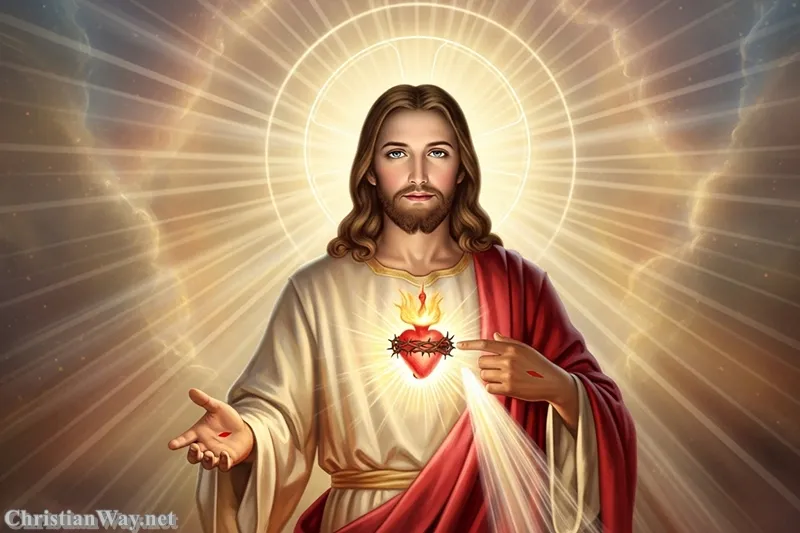
In Jesus Christ, God enters the world’s brokenness from within. He does not remain distant from human sorrow. He is born into poverty, walks among the weary, touches the sick, weeps with those who mourn, carries the weight of rejection, and gives Himself upon the cross. Then, through His resurrection, He opens a new future for humanity: a future in which sin can be forgiven, wounds can be healed, death can be defeated, and all things can be made new.
This is why redemption is not a cold theological idea. It is a message for the person who feels ashamed of the past. It is a message for the parent who worries about a child, the worker who feels exhausted, the lonely person who wonders whether anyone truly sees them, and the grieving heart that cannot imagine how life will become whole again. Redemption is the promise that God’s mercy is greater than our failure and that His love is stronger than the powers that try to destroy hope.
To reflect on Redemption: The Mystery of God’s Love That Restores the World is to enter the heart of the Gospel. It is to see that Christianity is not first about human beings trying to reach God through their own strength. It is about God coming near to us in Christ. It is about the Father seeking His children, the Son giving Himself in love, and the Holy Spirit slowly renewing the human heart from within.
The World’s Deep Hunger to Be Restored
Every person knows, in some way, what it means to long for restoration. We want broken relationships to be healed. We want the mistakes of the past not to define us forever. We want the suffering of innocent people to matter. We want the tears we have cried in secret to be seen by someone who understands. We want to believe that goodness is stronger than cruelty and that love can still rise after disappointment.
This longing is not weakness. It is part of what it means to be human.
The Bible begins with a vision of creation as good. God makes the world, fills it with life, and calls it good. Human beings are created in His image, made not for isolation but for communion: communion with God, with one another, and with the created world. The first pages of Scripture reveal a world marked by harmony, trust, beauty, and gift.
Yet the story quickly changes. Human beings turn away from God. They try to take life into their own hands. They seek wisdom without trust, freedom without love, and self-rule without communion. Sin enters the human story, and with it come shame, fear, violence, alienation, and death.
This is not simply an ancient story about two distant figures in a garden. It is also the story of our own hearts. We know what it is to hide when we have done wrong. We know what it is to blame rather than confess. We know what it is to seek comfort in things that cannot truly satisfy. We know what it is to hurt others because we ourselves have been hurt.
The brokenness of the world is not only outside of us. It enters our thoughts, our words, our choices, our families, and our communities. We see it in war, injustice, greed, loneliness, betrayal, and the quiet despair that so many carry without telling anyone.
Sin Is More Than Breaking Rules
Sometimes sin is described only as the breaking of religious rules. Yet Scripture speaks of it more deeply. Sin is a rupture in relationship. It is the heart turning away from the God who is love. It is the refusal to receive life as gift. It is the attempt to build ourselves without grace.
When we sin, we do not merely break a commandment. We wound ourselves and others. We lose sight of who we were created to be. A lie may protect us for a moment, but it slowly weakens trust. Anger may make us feel powerful, but it can turn into bitterness. Greed may promise security, but it can leave the soul empty. Pride may appear strong, but it often hides fear.
The consequences of sin spread outward. A wounded heart can wound a family. A dishonest decision can harm many people. A society that treats human beings as objects can become cold and cruel. What begins in the hidden places of the soul can eventually shape the life of the world.
This is why redemption must be more than a surface repair. Humanity does not need merely better habits or stronger willpower. We need healing at the root. We need a love strong enough to enter the places where we are most divided and restore what we cannot restore alone.
Redemption Begins with God’s Mercy
The most beautiful truth in Scripture is that God does not abandon humanity after sin enters the world. Even when Adam and Eve hide in fear, God comes seeking them. He asks, “Where art thou?” Not because He lacks knowledge, but because He calls the human heart out of hiding.
This question echoes through the whole Bible.
God calls Abraham and promises that through his descendants, all nations will be blessed. He hears the cry of Israel in slavery and leads them out of Egypt. He raises prophets to call His people back when they wander. He gives promises of a new covenant, a new heart, and a future in which His mercy will triumph over their unfaithfulness.
The story of redemption is therefore not the story of people becoming good enough for God. It is the story of God remaining faithful even when His people are not.
The prophet Isaiah gives voice to this hope when he speaks of a God who says, “Though your sins be as scarlet, they shall be as white as snow” (Isaiah 1:18). The prophet Ezekiel speaks of God giving His people a new heart and placing His Spirit within them. Jeremiah speaks of a covenant written not merely on stone tablets, but upon the human heart.
These promises prepare the way for Christ.
God Does Not Love Us from a Distance
One of the deepest fears people carry is that God may be disappointed beyond reach. We may believe that He forgives others, but not us. We may imagine that our failures are too serious, our prayers too weak, or our hearts too divided.
But redemption begins with a different truth: God’s love moves toward the wounded.
Jesus reveals this again and again. He speaks with the Samaritan woman whom others have judged. He calls Zacchaeus down from the tree before Zacchaeus has proved anything. He touches lepers when others keep their distance. He forgives the thief beside Him on the cross. He tells the story of a father who runs toward a returning son before the son can finish his speech.
This is the heart of redemption. God does not wait for us to become worthy before He comes near. He comes near because He is merciful.
His mercy does not deny the reality of sin. Jesus never treats sin as harmless. He calls people to repentance, truth, and a new life. But He does not leave them in shame. He does not reduce them to their worst moment. He sees what grace can restore.
Jesus Christ: God’s Love Made Visible
Christians believe that redemption takes its fullest form in Jesus Christ. In Him, God does not simply send another message. He gives Himself.
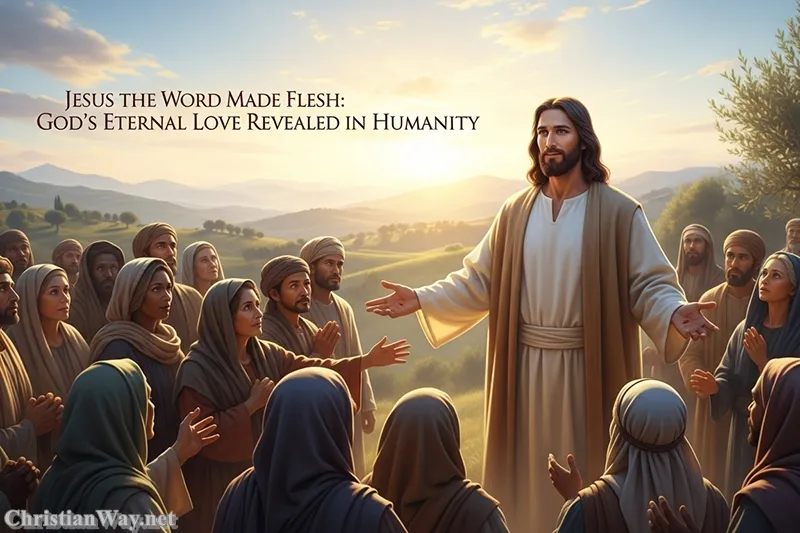
The Gospel of John tells us, “The Word was made flesh, and dwelt among us” (John 1:14). This means that the eternal Son of God enters human life completely. He knows hunger, fatigue, friendship, sorrow, rejection, temptation, and grief. He is not distant from the realities that shape our days.
Jesus comes not only to teach us how to live, though His teaching is life-giving. He comes to reveal who God is. When we see Jesus welcoming children, we see the tenderness of God. When we see Him forgiving sinners, we see the mercy of God. When we see Him weeping at Lazarus’s tomb, we see that God is not indifferent to death. When we see Him washing the disciples’ feet, we see that divine greatness is revealed through humble love.
The life of Jesus is already a work of redemption. Wherever He goes, He brings restoration. Blind eyes are opened. The sick are healed. The isolated are welcomed. The hungry are fed. The guilty are invited to begin again. Those who have been treated as unclean or forgotten discover that they are still seen by God.
Yet the deepest mystery of redemption unfolds at the cross.
The Cross Is Not the Defeat of Love
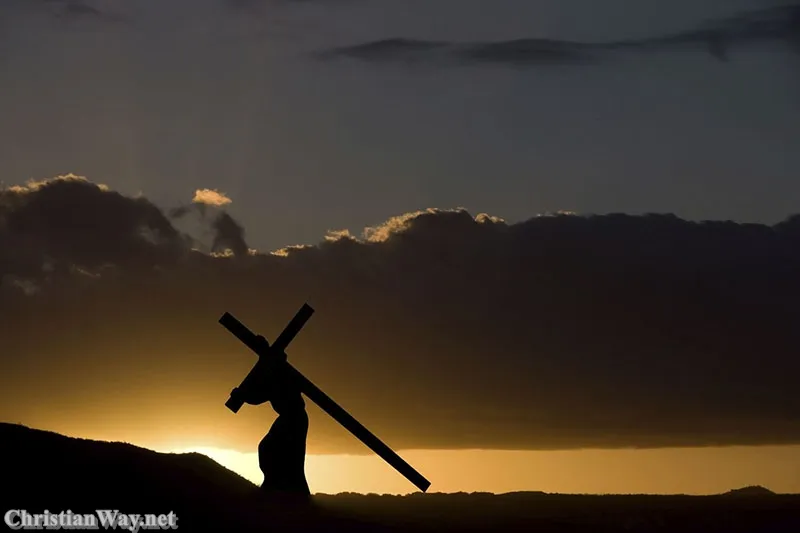
The cross can appear, at first, like the failure of everything Jesus came to do. He is betrayed by a friend, abandoned by many followers, condemned unjustly, mocked, beaten, and crucified. The One who healed others hangs wounded. The One who welcomed the rejected is rejected. The One who proclaimed the kingdom of God dies outside the city walls.
But Christians see the cross differently. They see it as the place where God’s love goes all the way into human suffering and refuses to turn back.
Jesus does not die because cruelty is stronger than love. He dies because love is willing to enter the deepest darkness in order to rescue those trapped within it.
At the cross, Christ bears the weight of sin. He carries the consequences of humanity’s violence, betrayal, hatred, fear, and selfishness. He does not answer evil with evil. He receives its force and transforms it through self-giving love.
This does not make suffering good in itself. God does not delight in pain. The cross is not a celebration of violence. It is the revelation that even where human sin does its worst, God’s mercy is not defeated.
The apostle Paul writes that God was in Christ reconciling the world to Himself. Redemption is therefore reconciliation: God drawing the world back into communion through the love of His Son.
The Resurrection: The Dawn of a New Creation
If the cross tells us that love enters the darkness, the resurrection tells us that darkness does not have the final word.
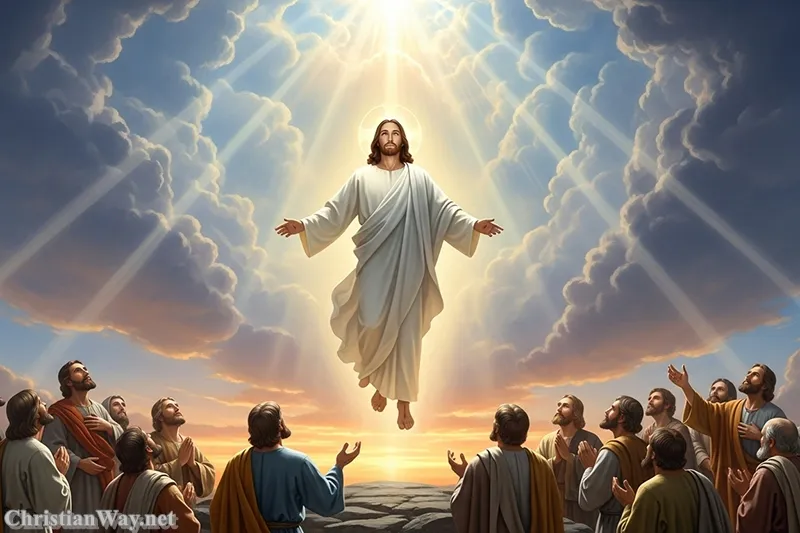
On the first Easter morning, the tomb is empty. Christ is risen. The One who was crucified now stands alive among His disciples. He still bears the wounds of love, but those wounds are no longer signs of defeat. They have become signs that death has been overcome.
The resurrection does not erase the reality of Good Friday. It does not pretend that suffering never happened. Instead, it reveals that suffering and death are not ultimate. God can bring life where human beings see only endings. He can bring forgiveness where guilt has seemed permanent. He can bring hope where despair has settled into the heart.
This is why Christian redemption is not merely about escaping the world. It is about the renewal of creation. The risen Christ is the beginning of a new creation. In Him, God begins to restore what sin has broken.
The Book of Revelation gives us a vision of this final hope: “Behold, I make all things new” (Revelation 21:5). This promise does not mean God simply throws away the world and replaces it with something unrelated. It means that He heals, renews, and brings creation toward its intended fullness.
Redemption Does Not Erase Our Story
Many people wish they could erase parts of their past. They may carry regret over words spoken in anger, choices made in weakness, relationships damaged by selfishness, or years that feel lost.
God’s redemption is not always a return to the past exactly as it was. Some wounds leave scars. Some losses cannot be undone in this life. Some consequences must be faced honestly. Yet in Christ, even what has been broken can be gathered into a new story.
The risen Jesus still bears scars. This is deeply comforting. His wounds are not removed as though love had never suffered. They remain, but they are transformed. They reveal not shame, but victory.
Perhaps God’s grace works in a similar way within us. He may not erase every memory. But He can transform memory. He can take a place of shame and make it a place of humility. He can take a past failure and make it a source of compassion toward others. He can take grief and deepen our ability to comfort those who mourn.
Redemption does not deny the truth about what happened. It gives God the final word over what happened.
Redemption and the Forgiveness of Sin
One of the most personal dimensions of redemption is forgiveness. Many people know what it is to carry guilt. We may regret a decision made years ago. We may remember someone we hurt. We may feel that we have failed God, failed our family, or failed ourselves.
Guilt can be a gift when it leads us toward repentance. It can awaken the conscience and call us back to truth. But guilt becomes destructive when it convinces us that we are beyond mercy.
The Gospel speaks directly into this fear.
Jesus forgives sins. He tells the paralyzed man, “Thy sins be forgiven thee.” He receives the woman who comes weeping at His feet. He restores Peter after Peter has denied Him. He prays from the cross, “Father, forgive them.”
Forgiveness does not mean pretending that sin does not matter. It means that sin is not stronger than grace.
To receive forgiveness is to tell the truth. It is to stop defending ourselves. It is to confess what we have done and what we have become. It is to place our brokenness before the God who already sees it and ask Him to make a new beginning possible.
Repentance Is the Doorway to Freedom
Repentance is sometimes misunderstood as endless self-condemnation. But true repentance is not hatred of oneself. It is turning toward God.
The word carries the sense of a changed mind and a changed direction. We recognize that the road we have been walking cannot lead to life, and we turn back toward Christ.
This turning can be painful. It may require us to apologize, make restitution, seek help, change habits, leave destructive relationships, or face consequences we once avoided. But repentance is never meant to lead us into despair. It is the doorway through which mercy enters.
In Catholic and Orthodox life, confession is received as a sacramental encounter with God’s mercy. In many Protestant traditions, believers confess directly to God and receive assurance of forgiveness through Scripture, prayer, and pastoral care. These practices differ, but Christians across traditions share the same hope: Christ forgives those who turn to Him.
The redeemed life is not the life of someone who never needs mercy again. It is the life of someone who learns to return to mercy again and again.
Redemption Heals Relationships
Sin does not only wound the individual. It wounds relationships.
A harsh word can remain in a family for years. A betrayal can make trust difficult. An old resentment can become part of a person’s identity. Communities can carry historical wounds passed from one generation to another. Nations can become trapped in cycles of revenge.
Redemption therefore includes reconciliation.
Saint Paul writes that Christ has broken down the walls that divide people. This does not mean every conflict disappears easily. Reconciliation can be slow. It requires truth, repentance, patience, justice, and often the difficult work of rebuilding trust. Forgiveness does not always mean that a relationship can return immediately to what it was. Wisdom and boundaries may be necessary, especially when there has been abuse, violence, or continuing harm.
Yet redemption keeps the heart from surrendering completely to hatred.
To forgive is not to declare evil good. It is not to deny pain. It is not to remove accountability. Forgiveness means that we refuse to let the wrong done to us become the power that controls our future.
Christ Makes Peacemakers of His People
Jesus says, “Blessed are the peacemakers: for they shall be called the children of God” (Matthew 5:9). A peacemaker is not simply someone who avoids conflict. A peacemaker is someone willing to do the hard work of truth and love.
In a family, this may mean speaking honestly without humiliation. In a friendship, it may mean admitting that resentment has grown. In a church, it may mean refusing gossip and choosing reconciliation. In a society, it may mean defending the vulnerable and resisting the temptation to dehumanize people who think differently.
The redeemed heart learns that peace is not weakness. Peace is courage shaped by love.
Redemption in the Ordinary Life of Faith
Sometimes people speak of redemption only in grand spiritual terms. They imagine it only as a future promise or a theological doctrine to be studied. But redemption enters ordinary life.
It enters the home where a parent chooses patience after a tiring day. It enters the workplace where someone refuses dishonesty even when dishonesty would be profitable. It enters a hospital room where a frightened person whispers the name of Jesus. It enters a lonely home where an elderly person keeps praying despite grief. It enters a friendship when someone chooses to listen rather than judge.
The redeemed life is often quiet.
It may look like a person learning to speak more gently. It may look like someone asking forgiveness after years of pride. It may look like a young person choosing integrity when everyone else seems to be taking an easier path. It may look like a family learning to pray together again after a difficult season.
God’s work is not always dramatic. Sometimes it is as small as a seed. But a seed placed in good soil can become a tree that offers shade to many people.
Grace Changes the Heart Slowly
Many Christians become discouraged because they expect instant transformation. They may come to faith hoping that every temptation, fear, sorrow, and weakness will disappear immediately. Sometimes God does bring sudden healing. But often He works patiently.
The redeemed life is a journey.
We may have to learn forgiveness more than once. We may need to return to prayer when our hearts become cold. We may need help from others when we are trapped in habits we cannot break alone. We may need to accept that healing takes time.
God is not impatient with this process. He is a faithful Father. He knows how slowly the heart can change. He knows how deeply wounds can run. He knows that some people have spent years surviving pain that they never chose.
The work of redemption is not a race. It is a relationship.
Redemption and the Church
The Church is called to be a community of redemption. It is not a gathering of people who have already become perfect. It is a family of forgiven sinners learning to live in the mercy of Christ.
This means the Church must be a place where truth and grace meet. It must not hide sin, injustice, or abuse. It must not protect reputation at the cost of wounded people. It must be willing to repent where it has failed and seek justice for those who have been harmed.
At the same time, the Church must remain a place of hope. People should be able to enter with questions, guilt, grief, and brokenness and discover that Christ has not turned away from them.
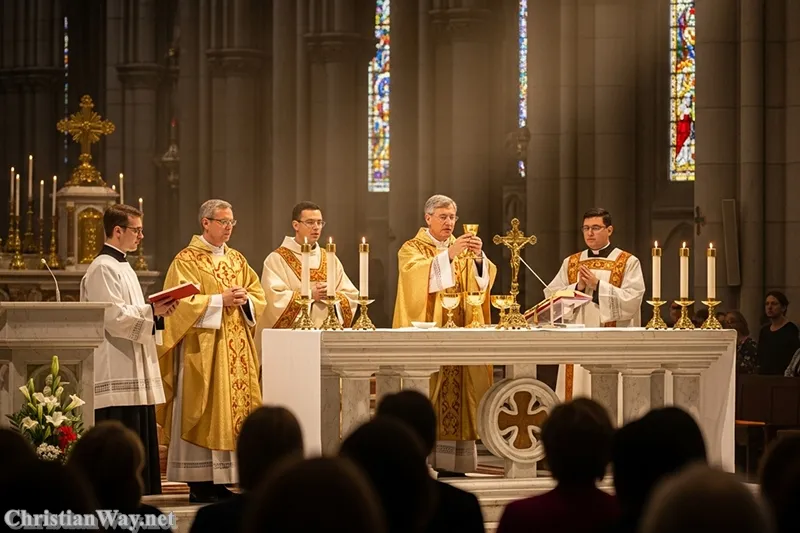
The Church lives from the Word of God, the sacraments, prayer, fellowship, service, and the shared calling to love the world. In the Eucharist or Holy Communion, Christians remember the self-giving love of Christ and receive strength to become what they celebrate. In baptism, believers are reminded that they belong to Christ and have been given a new life. In worship, the Church gathers to praise God, confess sin, hear the Gospel, pray for the world, and be sent again into daily life.
A Redeemed Church Must Serve the Wounded
The Church cannot speak convincingly about redemption if it ignores suffering.
It must care for the poor, the sick, the lonely, the elderly, the imprisoned, the refugee, the grieving, and the person who feels invisible. It must protect children and vulnerable people. It must speak against injustice. It must bring compassion into places where the world has become hard.
Jesus does not ask His followers only to speak about love. He asks them to become love in action.
When the Church feeds the hungry, visits the sick, comforts the grieving, helps a struggling family, or welcomes a person who has been rejected, redemption becomes visible.
Redemption and the Healing of Creation
The Christian hope of redemption is wider than the individual soul. It includes the whole creation.
Saint Paul writes that creation itself groans, waiting for the fullness of God’s restoration. This image is powerful. The world carries beauty, but it also carries suffering. We see storms, famine, disease, exploitation, pollution, and the painful consequences of human greed.
Christians are therefore called to care for creation not because nature replaces God, but because creation belongs to God.
The earth is not merely raw material for human consumption. It is a gift. The food we eat, the water we drink, the soil that grows crops, the animals that share the world with us, the forests, rivers, and skies—all belong to the Creator.
To care for creation is part of living as redeemed people. It means learning gratitude instead of exploitation. It means remembering that the poor often suffer first when the environment is damaged. It means treating the world not as a possession to be used without limit, but as a gift entrusted to human care.
Hope Does Not Excuse Indifference
Some people misunderstand Christian hope and think that because God will renew creation, human beings need not care about the world now. But hope should make us more responsible, not less.
If God loves the world enough to redeem it, then we cannot treat it carelessly.
The same is true of human suffering. The promise of eternal life does not excuse us from caring for those who suffer today. The hope of heaven does not free us from the call to feed the hungry, defend the vulnerable, and work for peace.
Redemption gives us courage to act because we know that goodness is never wasted in God’s hands.
Redemption in Catholic, Orthodox, and Protestant Faith
Christians across traditions confess that redemption comes through Jesus Christ. Catholics, Orthodox Christians, Anglicans, Lutherans, Reformed Christians, Methodists, Baptists, Pentecostals, and many others may use different language or place different emphasis on aspects of salvation, grace, sacraments, justification, sanctification, and spiritual transformation. Yet they share the central proclamation that Christ died and rose again for the salvation of the world.
Catholic teaching often speaks of redemption as Christ’s saving work that frees humanity from sin and opens the way to new life through grace. Orthodox Christianity frequently emphasizes redemption as healing and participation in the life of God, sometimes described as the restoration of the human person into communion with the Creator. Many Protestant traditions place special emphasis on justification by faith, proclaiming that sinners are made right with God through faith in Christ rather than through their own works.
These differences can help Christians reflect more deeply on the richness of salvation. Redemption includes forgiveness, but it also includes healing. It includes being declared righteous through Christ, but it also includes being transformed by the Holy Spirit. It includes personal salvation, but it also includes reconciliation, mission, worship, justice, and the hope of a renewed creation.
The mystery of redemption is too deep to be reduced to one phrase. But its center remains clear: Jesus Christ is the Redeemer.
Grace Is Never Earned
Every Christian tradition must return to this truth: redemption is gift.
We cannot earn God’s love through religious performance. We cannot save ourselves through morality, success, knowledge, or effort. Good works matter because love matters, but good works are not a payment for salvation. They are the fruit of grace at work in a willing heart.
The apostle Paul writes, “By grace are ye saved through faith” (Ephesians 2:8). This is not a message that makes us passive. It makes us grateful.
A person who knows they are forgiven becomes more able to forgive. A person who knows they are loved becomes more able to love. A person who knows they do not need to prove their worth before God becomes freer to serve without fear.
Living as a Redeemed People
To believe in redemption is not only to believe something about the past or the future. It is to live differently in the present.
A redeemed person does not need to be ruled by shame. They can confess and begin again.
A redeemed person does not need to be ruled by bitterness. They can seek forgiveness and peace.
A redeemed person does not need to be ruled by fear. They can trust that God remains present even when the road is hard.
A redeemed person does not need to be ruled by the approval of others. They can live from the love of the Father.
This freedom is not always easy. It must be learned. We learn it through prayer, Scripture, worship, confession, friendship, service, and the slow work of grace.
The Small Acts of Redemption
Sometimes we imagine that redemption must appear in dramatic miracles or great public events. But Christ often works through small acts of love.
A person calling someone who is lonely can become an instrument of redemption.
A parent apologizing to a child can become an instrument of redemption.
A church offering food to a struggling family can become an instrument of redemption.
A friend choosing to listen instead of judge can become an instrument of redemption.
A believer refusing to spread hatred can become an instrument of redemption.
The world is restored not only through great moments, but through thousands of hidden choices shaped by the love of Christ.
The Final Hope: God Will Make All Things New
Christian faith does not promise that every pain will be resolved in this life. Some questions remain unanswered. Some prayers are prayed through tears. Some losses are carried until the end of our earthly journey.
But redemption gives us a final hope.
Christ is risen. Death is not ultimate. The grave is not the end of the story. The God who created the world in love has not given up on His creation. He will bring justice to what has been hidden, healing to what has been wounded, and life to what has fallen into death.
This hope is not an escape from reality. It is the deepest way of facing reality. It allows us to grieve without despair. It allows us to work for justice without believing everything depends on us. It allows us to forgive because we trust that God sees what has been done. It allows us to serve because love will not be lost.
The redeemed life is a life lived between cross and resurrection. We know the world is broken. We know pain is real. But we also know that Christ has entered the darkness and that His light will not be overcome.
Reflect and Pray
Dear friend, redemption is the promise that your story is not finished.
Perhaps you are carrying guilt from the past. Christ invites you to bring it into His mercy.
Perhaps you are grieving something that cannot be repaired by human effort. Christ meets you in the place of loss.
Perhaps you are tired of trying to make yourself worthy. Christ reminds you that His love is gift.
Perhaps the world’s suffering has made you wonder whether hope is still possible. Christ stands before us, wounded and risen, and says that love is stronger than death.
The work of redemption may begin quietly. It may begin with one honest prayer, one act of forgiveness, one return to worship, one confession, one decision to seek help, or one small step away from despair.
Do not be afraid to begin again. The Redeemer is already near.
Let us pray:
Lord Jesus Christ, You entered our broken world in love and gave Yourself upon the cross so that sin, fear, and death would not have the final word. Redeem the places within us that have been wounded by guilt, grief, anger, and despair. Teach us to receive Your forgiveness with humility and to offer mercy to those around us. Heal our relationships, strengthen Your Church, comfort the suffering, and renew the world You love. May Your resurrection become the light by which we live, the hope by which we endure, and the love we share with others each day. Amen.
May the peace of Christ dwell richly in your heart, and may the Redeemer who makes all things new lead you from every wound into the freedom of His love.
— Fr. John Matthew