Dear friends in Christ,
There is a deep longing within every human heart to know that love will not fail us. We may have known love that was uncertain, love that faded, love that depended upon success, usefulness, appearance, or approval. We may have made promises ourselves and later discovered how fragile our strength can be. We may have carried the sorrow of broken relationships, unspoken regrets, or the quiet fear that we are too wounded to be truly known and still loved. In these places of human weakness, the message of the New Testament comes like a light entering a dark room.
The New Testament is not merely the second part of the Christian Bible, though it is indeed the sacred collection of writings that tells the story of Jesus Christ, His apostles, and the first communities of faith. At its deepest meaning, the New Testament is the New Covenant: the new relationship God establishes with humanity through His Son. It is the promise that God will not abandon His people to sin, fear, death, or separation. It is the declaration that divine love has come near in Jesus Christ and has opened a way for the human heart to be restored.
A covenant is more than an agreement or a contract. Contracts are often based on exchange: each side gives something and expects something in return. A covenant is more personal. It is a bond of faithfulness, love, belonging, and promise. Throughout Scripture, God makes covenant with His people. He calls Abraham, delivers Israel from slavery, gives the Law through Moses, speaks through the prophets, and patiently leads His people even when they wander. Yet the Old Testament also reveals the pain of human unfaithfulness. Again and again, people turn away from the God who loves them.
The New Testament tells us that God’s answer to this unfaithfulness is not to withdraw His love. He comes closer. In Jesus Christ, God enters the world He created. He takes flesh, walks among the poor and suffering, teaches the truth of the Kingdom, forgives sins, bears the burden of the cross, rises from the dead, and pours out the Holy Spirit upon His people. The New Covenant is therefore not simply a new religious teaching. It is the gift of God’s own life offered to humanity through Christ.
To speak of the New Testament as the covenant of love fulfilled in Christ is to enter the center of the Christian faith. It is to see that God’s purpose has always been communion: not distant obedience without relationship, but a people whose hearts are drawn into the mercy, holiness, and love of God. This covenant reaches into the past, transforms the present, and gives hope for the future. It speaks to the weary soul, the repentant sinner, the grieving family, the searching mind, and the believer who longs to know Christ more deeply.
The New Testament Is Both a Sacred Book and a Living Covenant
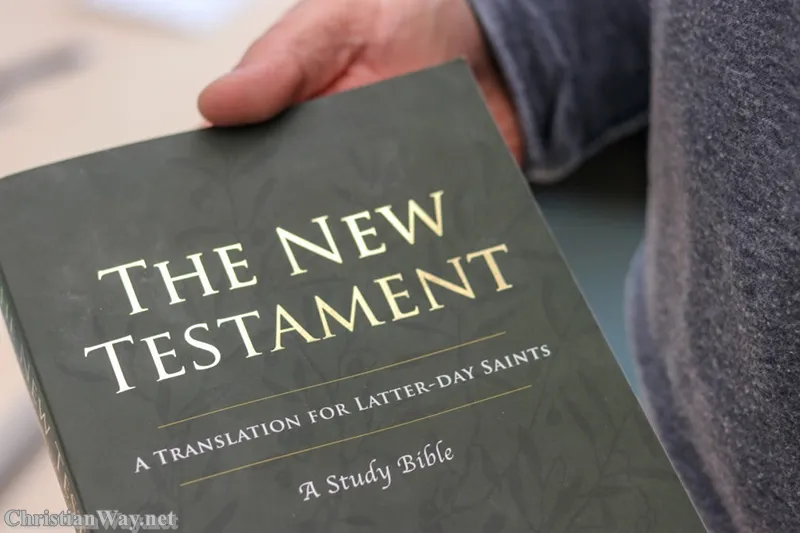
When Christians speak of the New Testament, they usually mean the twenty-seven books that follow the Old Testament in the Bible. These writings include the four Gospels, the Book of Acts, the letters of the apostles, and the Book of Revelation. Together, they bear witness to the life, death, resurrection, and continuing presence of Jesus Christ in His Church.
The Gospels tell us of Jesus: His birth, His ministry, His compassion, His teaching, His miracles, His death upon the cross, and His resurrection from the grave. The Book of Acts tells the story of the early Church as the Holy Spirit leads ordinary believers to proclaim the Gospel across nations and cultures. The letters of Paul, Peter, John, James, Jude, and others guide Christians in faith, holiness, worship, courage, and love. The Book of Revelation gives hope to those who suffer, reminding them that Christ is Lord and that God will finally make all things new.
Yet the New Testament is more than a written collection. Its name points to the New Covenant itself. The word testament comes from the language of covenant, promise, and faithful commitment. The New Testament tells the story of a God who does not merely speak from afar. He enters human history. He gives Himself in Christ. He makes possible a new beginning for those who receive His grace.
The sacred writings of the New Testament are therefore not meant to remain distant words on a page. They are meant to lead us into encounter. When we read the Gospels prayerfully, we are invited to stand beside the disciples and hear the voice of Jesus. When we read His parables, we are asked to examine our own hearts. When we witness His mercy toward the sick, the poor, the sinful, and the forgotten, we are reminded that His compassion still reaches toward us. When we read of the cross and resurrection, we are invited to place our own sorrow and hope within the larger story of God’s saving love.
The New Covenant Fulfills Rather Than Erases God’s Earlier Promises
It is important to understand that the New Covenant does not mean that God has rejected or erased the Old Covenant. The God of the Old Testament is not different from the God revealed in Jesus Christ. The whole Bible tells one great story of divine faithfulness. The God who called Abraham, who heard the cry of Israel in Egypt, who gave the Law through Moses, who spoke through the prophets, and who promised restoration is the same God revealed in the face of Jesus.
The Old Testament prepares the way for Christ. It reveals the holiness of God, the seriousness of sin, the beauty of worship, the call to justice, and the persistent mercy of the Lord. It teaches us that humanity cannot live by bread alone, cannot create salvation by its own strength, and cannot find lasting peace by turning away from God.
The New Testament proclaims that the promises of God find their fulfillment in Jesus. This fulfillment is not the destruction of what came before. It is its completion. A seed is not rejected when it becomes a tree. A promise is not forgotten when it is fulfilled. In the same way, the Law, the prophets, the covenant people of Israel, and the longing for redemption all point toward Christ.
Jesus Himself said, “Think not that I am come to destroy the law, or the prophets: I am not come to destroy, but to fulfil” (Matthew 5:17). These words help us understand the heart of the Gospel. Christ does not come to dismiss the sacred story that prepared the way for Him. He comes to bring it to its deepest purpose: a restored humanity living in communion with God.
The Promise of a Covenant Written on the Heart
Long before the birth of Jesus, the prophet Jeremiah spoke of a day when God would make a new covenant with His people. Israel had experienced the pain of exile, division, injustice, and spiritual unfaithfulness. The people had received God’s commandments, yet their hearts often turned away. They knew the words of the covenant, but they did not always live in its love.
In the midst of this sorrow, God spoke a promise through Jeremiah:
“Behold, the days come, saith the Lord, that I will make a new covenant with the house of Israel, and with the house of Judah… I will put my law in their inward parts, and write it in their hearts; and will be their God, and they shall be my people.”
— Jeremiah 31:31, 33
This promise is full of tenderness. God does not say that He will simply give more rules, more warnings, or more outward signs. He promises something deeper. He will write His law upon the human heart. He will create a relationship in which obedience grows not merely from fear, but from love. He will draw His people into a living knowledge of Himself.
The New Covenant is therefore not about escaping responsibility. It is about receiving a transformed heart. The grace of God does not make goodness unnecessary. It makes goodness possible. It does not teach us to ignore truth. It gives us the strength to love truth. It does not reduce faith to an emotional experience. It forms the whole person: mind, conscience, will, relationships, and daily choices.
The Human Heart Needs More Than Information
We live in an age filled with information. We can read countless articles, watch endless videos, hear opinions from every direction, and gather knowledge about nearly any subject. Yet information alone does not heal the heart. A person may know what is right and still struggle to do it. A person may understand that bitterness is destructive and still find it difficult to forgive. A person may recognize that love is more important than pride and still be unable to let go of an old resentment.
This is why the promise of a covenant written on the heart is so precious. God does not merely tell us what love should look like. In Christ, He gives us grace to begin living it. He does not only reveal the path; He walks with us upon it. He does not only call us to holiness; He gives the Holy Spirit to form holiness within us.
Saint Paul speaks of this mystery when he writes that Christians are not merely bound by “the letter,” but are given life by the Spirit. The Christian life is not an attempt to earn God’s love through religious effort. It is a response to a love already given. God changes us from within, not by crushing our freedom, but by healing it. He teaches us to desire what is good, to turn away from sin, and to become more like Christ.
This transformation is often gradual. A heart is not always healed in a single moment. Some wounds take time. Some habits require patient repentance. Some fears return again and again. Yet the New Covenant assures us that God does not grow tired of His people. He remains faithful even when our growth is slow. He continues to write His love upon the heart through prayer, Scripture, worship, suffering, service, repentance, and the quiet work of grace.
Jesus Christ Establishes the New Covenant
The New Covenant is not an abstract idea. It is established in the person of Jesus Christ. Everything in the New Testament draws our attention toward Him. He is the fulfillment of God’s promises, the Word made flesh, the true Lamb of God, the Good Shepherd, the Bread of Life, the Light of the World, the Resurrection and the Life.
Jesus comes not simply to teach people about God, but to reveal God. In His compassion, we see the mercy of the Father. In His courage, we see the holiness of the Father. In His forgiveness, we see the heart of the Father. In His death and resurrection, we see the love of God poured out for the salvation of the world.
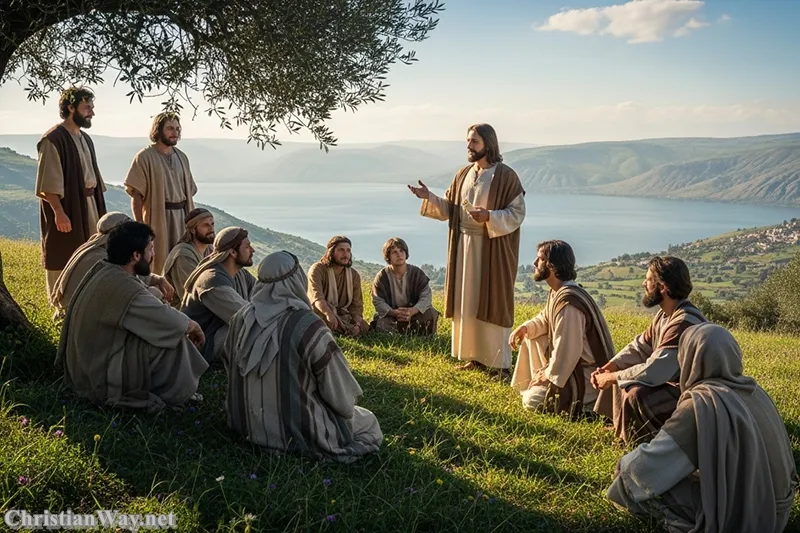
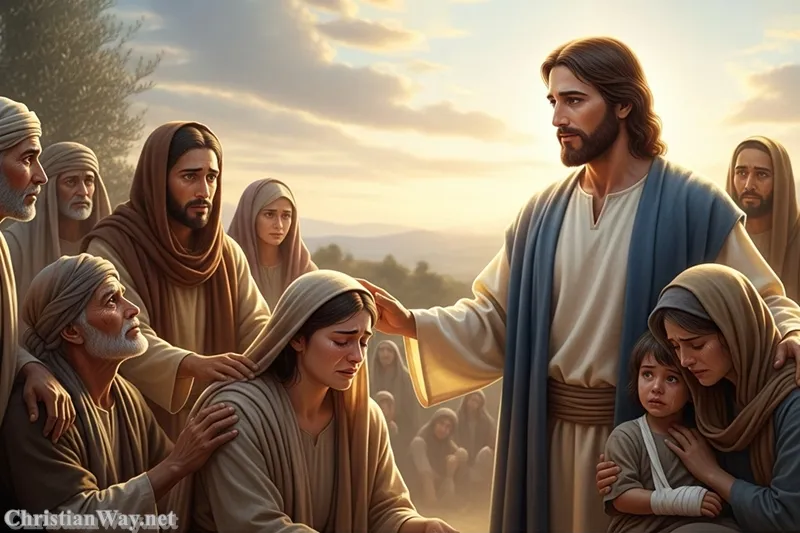
At the beginning of His public ministry, Jesus announced the nearness of God’s Kingdom. He called people to repent and believe the Gospel. He healed the sick, restored dignity to the outcast, welcomed children, ate with sinners, and spoke hope to those who had been pushed aside. His ministry showed that the New Covenant was not meant for the powerful alone. It was good news for the poor, the brokenhearted, the guilty, the lost, and the weary.
The Last Supper and the Cup of the Covenant
The clearest words about the New Covenant come from Jesus Himself on the night before His death. Gathered with His disciples at the Last Supper, Jesus took bread, gave thanks, broke it, and gave it to them. Then He took the cup and spoke words that have been remembered in Christian worship ever since.
The Gospel of Luke records His words: “This cup is the new testament in my blood, which is shed for you” (Luke 22:20). In this sacred moment, Jesus reveals that His coming death is not meaningless tragedy. It is the self-giving act through which the New Covenant is sealed.
The words “in my blood” remind us that covenant love is costly. Love is not simply a feeling that appears when life is easy. True love gives itself. It remains faithful. It bears burdens. It seeks the good of another even when sacrifice is required. Jesus reveals the deepest form of this love upon the cross.
For Christians, the Lord’s Supper, Holy Communion, or the Eucharist is therefore more than a memory of a past event. It is a sacred participation in the life of Christ. In the bread and the cup, believers remember His body given and His blood poured out. They receive again the promise that salvation is not earned but received. They are nourished to become a people shaped by gratitude, reconciliation, and love.
Catholic, Orthodox, Anglican, Lutheran, Reformed, Baptist, Pentecostal, and other Christian traditions may describe the mystery of Communion in different ways. Yet all Christians who come faithfully to Christ’s table are called to remember that the New Covenant is rooted in His self-giving love. The meal teaches us that we belong to Christ and therefore belong to one another.
The Cross Reveals the Depth of God’s Love
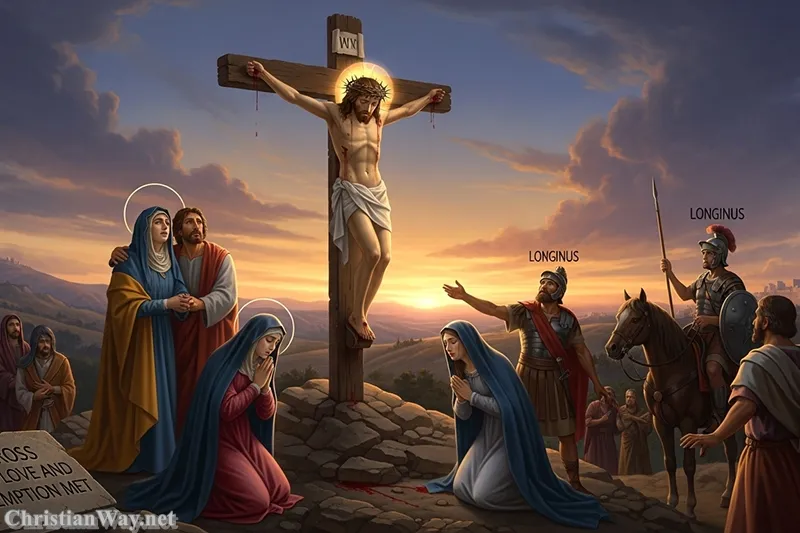
The cross stands at the center of the New Testament because it reveals the depth of God’s love for humanity. It is not a symbol of God’s distance from suffering, but of His willingness to enter suffering. Jesus does not save the world from a place of safety. He enters betrayal, injustice, rejection, shame, violence, and death.
At the cross, Jesus carries the burden of sin. Sin is more than a list of wrong actions. It is the deep rupture that occurs when human beings turn away from God and from one another. It appears in selfishness, cruelty, violence, dishonesty, pride, greed, hatred, and indifference to the suffering of others. It wounds families, communities, nations, and the hidden places of the human heart.
The cross tells us that sin is serious. It is not something to excuse lightly. It destroys trust, damages love, and leads the human soul away from life. Yet the cross also tells us that sin is not stronger than grace. Jesus enters the place of human failure and responds with mercy. He does not answer violence with violence. He does not answer betrayal with revenge. He gives Himself in love.
Saint Paul writes, “But God commendeth his love toward us, in that, while we were yet sinners, Christ died for us” (Romans 5:8). These words are among the most comforting in the New Testament. Christ did not wait for humanity to become worthy before loving humanity. He did not wait for us to have perfect faith, perfect understanding, or perfect lives. He loved us while we were still in need of mercy.
Redemption Is Not a Cold Transaction
Sometimes people speak about the cross in ways that sound distant or mechanical, as though salvation were only a legal exchange with no tenderness or relationship. Yet the New Testament always brings us back to love. Jesus gives Himself because He loves. The Father sends the Son because He loves. The Holy Spirit draws hearts toward Christ because God desires that no one should remain lost.
Redemption means rescue, liberation, restoration, and return. In the ancient world, a person might be redeemed from slavery or released from a burden they could not carry alone. In Christ, humanity is redeemed from the power of sin and death. We are brought out of darkness into light. We are forgiven, healed, and invited to become children of God.
This does not mean that Christians never struggle again. It does not mean that every sorrow disappears immediately. It means that sorrow, sin, fear, and death no longer have the final word. The New Covenant gives believers a new identity. They are no longer defined only by what they have done, what they have lost, or what others have said about them. In Christ, they are loved, forgiven, and called into new life.
The cross also teaches us how to live. Those who receive the mercy of Christ are called to become people of mercy. Those who have been forgiven are called to forgive. Those who have received love are called to love. The New Covenant cannot remain only a personal comfort. It becomes visible when Christians choose compassion over cruelty, truth over deception, humility over pride, and peace over revenge.
The Resurrection Opens the Door to New Life
The story of the New Testament does not end at the cross. On the third day, Jesus rises from the dead. The resurrection is the great proclamation that death does not have the final word. Sin does not have the final victory. Despair is not the deepest truth about human life. Christ is risen, and through Him, a new creation has begun.
The resurrection changes everything. The disciples who had hidden in fear encounter the risen Lord. The women who came to the tomb in sorrow receive a message of hope. Peter, who had denied Jesus, is restored. Thomas, who struggled to believe, is invited to see and touch the wounds of Christ. The risen Jesus meets His followers with patience, peace, and mercy.
When Jesus appears to His disciples behind locked doors, He says, “Peace be unto you” (John 20:19). These words are deeply personal. The disciples had failed Him. They had fled when He suffered. They had been overwhelmed by fear. Yet Jesus does not come first with accusation. He comes with peace.
This is the heart of the New Covenant. God does not meet us only in our strength. He meets us in our locked rooms, our fears, our regrets, and our uncertainty. He comes not to shame us, but to restore us. He does not deny the truth of our wounds; the risen Christ still bears the marks of the cross. Yet those wounds have become signs of love, not signs of defeat.
New Creation Begins Now
Saint Paul writes, “Therefore if any man be in Christ, he is a new creature: old things are passed away; behold, all things are become new” (2 Corinthians 5:17). This does not mean that Christians instantly forget their past or never experience weakness. It means that the past no longer has absolute power over them. In Christ, a new future becomes possible.
A person who has lived in bitterness can learn forgiveness. A person who has been trapped in shame can receive mercy. A person who has been ruled by fear can begin to trust. A person who has harmed others can repent and seek reconciliation. A person who feels worthless can discover that they are precious in the sight of God.
The resurrection gives courage to those who suffer. Christians do not believe that faith removes every hardship from life. Jesus Himself said that His followers would know trials. Believers still grieve, become ill, face disappointment, struggle with temptation, and endure loss. But the resurrection assures them that God is present even in sorrow and that suffering is not the final chapter.
The New Covenant gives hope not only for individual souls, but for the whole creation. The final vision of the New Testament is not the abandonment of the world, but its renewal. The Book of Revelation speaks of a day when God will dwell with His people, wipe away every tear, and make all things new. This hope gives Christians strength to work for justice, peace, healing, and mercy in the world as it is now.
Grace, Faith, and the Gift of Belonging
At the heart of the New Covenant is grace. Grace is the undeserved love of God. It is God moving toward humanity before humanity has earned anything. It is the mercy that meets us when we are weary, the forgiveness that lifts guilt, the strength that helps us begin again, and the presence of God that stays with us when we feel weak.
Saint Paul writes, “For by grace are ye saved through faith; and that not of yourselves: it is the gift of God” (Ephesians 2:8). These words protect the Christian heart from pride. Salvation is not a prize for those who have become spiritually impressive. It is not earned by outward success, religious performance, or moral superiority. It is a gift.
Faith is the response to this gift. Faith is not simply agreeing that certain statements are true. It is trusting ourselves to Christ. It is opening the heart to receive His mercy. It is saying, even in weakness, “Lord, I place my life in Your hands.”
There are times when faith feels strong and joyful. There are other times when faith feels quiet, small, or uncertain. The New Testament does not hide this reality. The disciples themselves often struggled. Peter was bold one moment and fearful the next. Thomas asked for proof. The father of a suffering child said to Jesus, “Lord, I believe; help thou mine unbelief” (Mark 9:24).
These words are a comfort to many believers. Faith does not require us to pretend that we never have questions. It asks us to bring our questions to Christ. It does not demand that we walk without trembling. It invites us to keep walking, even when the road is difficult.
Belonging to God Changes How We Belong to One Another
The New Covenant creates a new people. Christians are not saved into isolated spiritual lives. They are welcomed into the body of Christ. Through baptism, prayer, worship, fellowship, and service, believers learn that they belong not only to God but also to one another.
The Church is not a gathering of perfect people. It is a community of those who know they need mercy. It is a place where people learn to forgive and be forgiven, to serve and be served, to speak truth and receive correction, to rejoice with those who rejoice and weep with those who weep.
This shared life can be difficult. Wherever people gather, there will be misunderstandings, differences, and disappointments. Yet the New Covenant calls Christians to remain in love. Jesus said, “By this shall all men know that ye are my disciples, if ye have love one to another” (John 13:35).
The Church bears witness to Christ not when it appears powerful in the eyes of the world, but when it reflects the mercy of its Lord. It becomes a living sign of the New Covenant when strangers are welcomed, burdens are shared, the poor are cared for, children are protected, the wounded are heard, and forgiveness is practiced.
The New Covenant Gives Freedom for a Holy Life
Some people hear the message of grace and wonder whether it makes moral life unimportant. But grace never teaches us to treat sin lightly. Grace reveals how deeply sin wounds us, and it gives us the power to turn toward a better way.
The New Covenant does not free us from love; it frees us for love. It does not remove responsibility; it transforms responsibility into a joyful response to God. It does not say that truth no longer matters; it places truth within the mercy of Christ.
Jesus teaches that the greatest commandments are to love God with all the heart, soul, mind, and strength, and to love one’s neighbor as oneself. This is not a shallow or easy command. It reaches into every part of life. It asks us to examine how we speak, how we spend money, how we treat people who cannot benefit us, how we respond to anger, how we use power, and whether we are willing to forgive.
Holiness is not cold perfection. Holiness is a life shaped by love. It is growing more truthful, compassionate, patient, humble, and faithful. It is becoming, by grace, more like Christ.
The Spirit Makes the Love of Christ Possible
The New Covenant is also the covenant of the Holy Spirit. After His resurrection, Jesus promises that His followers will not be left alone. At Pentecost, the Holy Spirit comes upon the disciples and gives them courage to proclaim the Gospel. Those who had been afraid begin to speak with boldness. Those who had been divided by language and culture are drawn into a new fellowship.
The Holy Spirit continues to work in the Church today. He convicts hearts of sin, comforts those who mourn, gives wisdom in confusion, strengthens believers in weakness, and produces the fruit of love, joy, peace, patience, gentleness, goodness, faithfulness, meekness, and self-control.
This work is often quiet. It may happen when a person chooses to apologize after a harsh word. It may happen when someone prays for the strength to forgive. It may happen when a believer resists dishonesty in a difficult workplace. It may happen when a family receives peace in a season of grief. It may happen when a lonely person discovers that Christ is nearer than they had imagined.
The Holy Spirit does not make Christians less human. He makes them more fully human by restoring them to the love for which they were created.
The New Testament Meets Us in Daily Life
The New Covenant is not only about the life to come. It reaches into the ordinary places where we live now. It meets us in the kitchen, the workplace, the classroom, the hospital room, the crowded street, the season of financial stress, the burden of family responsibility, and the quiet ache of loneliness.
When a person feels guilty for words they cannot take back, the New Testament speaks of forgiveness. When a family is grieving someone they love, it speaks of resurrection hope. When a person feels overlooked or unworthy, it speaks of the dignity of being loved by God. When the world feels divided and harsh, it speaks of reconciliation through Christ. When life feels empty despite outward success, it speaks of the living water that Christ alone can give.
The New Covenant also calls Christians to see others differently. If Christ has given Himself for the world, then no person is beneath our care. The poor, the stranger, the elderly, the child, the prisoner, the sick, the refugee, the person whose life is marked by failure, and the person whose views differ from our own all remain precious in the sight of God.
This does not mean that Christians abandon moral conviction or pretend that truth does not matter. It means that truth must always be carried with love. Jesus was full of grace and truth. He did not flatter sin, but neither did He crush the sinner. He called people to repentance while offering mercy. He spoke clearly while remaining tender.
In a world that often rewards outrage, the New Covenant calls believers to another way. It calls them to be peacemakers. It calls them to seek justice without hatred. It calls them to speak honestly without cruelty. It calls them to remain faithful even when love is costly.
The New Covenant Is a Promise of Eternal Hope
The final pages of the New Testament look toward the future. They do not deny the reality of suffering, persecution, injustice, or death. The early Christians knew these things deeply. Many faced hardship for their faith. Many lived under pressure, uncertainty, and loss.
Yet they were sustained by hope. They believed that Christ, who died and rose again, would come in glory. They believed that evil would not rule forever. They believed that God would judge with justice, heal what had been broken, and gather His people into eternal life.
The Book of Revelation gives a vision of God’s final victory: “And God shall wipe away all tears from their eyes; and there shall be no more death, neither sorrow, nor crying, neither shall there be any more pain” (Revelation 21:4).
This promise does not make Christians indifferent to the suffering of the present. It gives them courage to serve in the present. Because they hope for God’s Kingdom, they work for signs of that Kingdom now. They feed the hungry, care for the sick, defend the vulnerable, comfort the grieving, and proclaim the Gospel of peace.
The New Covenant assures us that the story of the world does not end in darkness. The final word belongs to God. The final word is not death, but life. Not sin, but mercy. Not despair, but hope. Not separation, but communion with God.
Reflect and Pray
Dear friend, the New Testament is the covenant of love fulfilled in Christ. It tells us that God has not turned away from humanity. He has come near. He has spoken through His Son. He has carried our sin upon the cross, overcome death in the resurrection, and poured out the Holy Spirit so that we may become a people made new by grace.
Perhaps you come to these truths with faith already alive in your heart. Perhaps you are weary, uncertain, or only beginning to search. Perhaps you have known failure and wonder whether a new beginning is truly possible. The New Covenant answers with the mercy of Christ: you are not beyond His reach. His love is greater than your fear. His forgiveness is deeper than your guilt. His resurrection hope is stronger than the darkness you carry.
Let us pray:
Lord Jesus Christ, You are the fulfillment of God’s promise and the source of every new beginning. Write Your love upon our hearts. Forgive us where we have wandered, heal us where we are wounded, and teach us to live as people of Your covenant. Give us faith when we are uncertain, peace when we are afraid, and courage to love as You have loved us. May Your grace guide our steps today, and may the hope of Your resurrection lead us into the life that never ends. Amen.
— Fr. John Matthew