Dear friends, it is a joy to walk with you through the bustling, vibrant streets of Berlin. This city, which has seen the shadows of division and the light of reconciliation, holds within its embrace some of the most profound witnesses to the Catholic faith. When we step inside a church, we are not merely entering a building; we are stepping into a “thin place” where the veil between heaven and earth grows transparent. In a city as fast-paced as Berlin, these sacred spaces offer us a chance to breathe, to pray, and to remember whose we are.
As we explore these ten sanctuaries, I invite you to look beyond the architecture—though it is often breathtaking—and see the living stones of the Church. Each altar has been a place of sacrifice; each pew has held the weight of a thousand whispered sorrows and joys. Whether you are a weary traveler seeking rest or a local soul looking for a deeper connection to the Spirit, these churches stand as open doors to the heart of Christ.
In the history of Berlin, the Catholic community has often been a “small flock,” yet one of immense courage. From the resistance against darkness in the mid-20th century to the quiet, persistent witness of faith in the East, these stones cry out with stories of hope. It is my prayer that as you read about these places, you feel the gentle nudge of the Good Shepherd calling you to a moment of stillness.
Let us journey together through these sanctuaries of grace, finding in their diversity a reflection of the one, holy, catholic, and apostolic Church that spans all time and space. May the beauty you find here lead you closer to the Source of all beauty.
A Summary of Sacred Treasures
| Rank | Church Name | District | Key Significance |
|---|---|---|---|
| 10 | Corpus Christi (Fronleichnamskirche) | Prenzlauer Berg | Neo-Gothic brick beauty and community heart. |
| 9 | St. Bonifatius | Kreuzberg | Majestic twin towers and landmark of faith. |
| 8 | St. Clemens | Kreuzberg | Center for Perpetual Adoration and quiet prayer. |
| 7 | St. Ludwig | Wilmersdorf | A “Cathedral of the West” with stunning Gothic lines. |
| 6 | St. Canisius | Charlottenburg | Modernist Jesuit masterpiece of light and wood. |
| 5 | St. Matthias | Schöneberg | Historical pulpit of the “Lion of Münster.” |
| 4 | Sacred Heart (Herz-Jesu-Kirche) | Prenzlauer Berg | Byzantine-style murals and hidden sanctuary. |
| 3 | Maria Regina Martyrum | Charlottenburg-Nord | National memorial for the martyrs of the Nazi era. |
| 2 | Basilica of St. John the Baptist | Neukölln | Largest Catholic church in Berlin; Neo-Romanesque. |
| 1 | St. Hedwig’s Cathedral | Mitte | The Archbishop’s seat and first post-Reformation church. |
Top 10. Corpus Christi (Fronleichnamskirche)
In the heart of Prenzlauer Berg, the red bricks of Corpus Christi rise like a prayer. Built at the dawn of the 20th century, this church was designed to serve the rapidly growing working-class population of North Berlin. When you stand before its facade, you see the strength of the “living bread”—a community built on the Eucharist. The interior is a space of soaring arches that remind us of the vastness of God’s mercy, yet there is an intimacy here that speaks to the daily struggles and triumphs of the faithful.
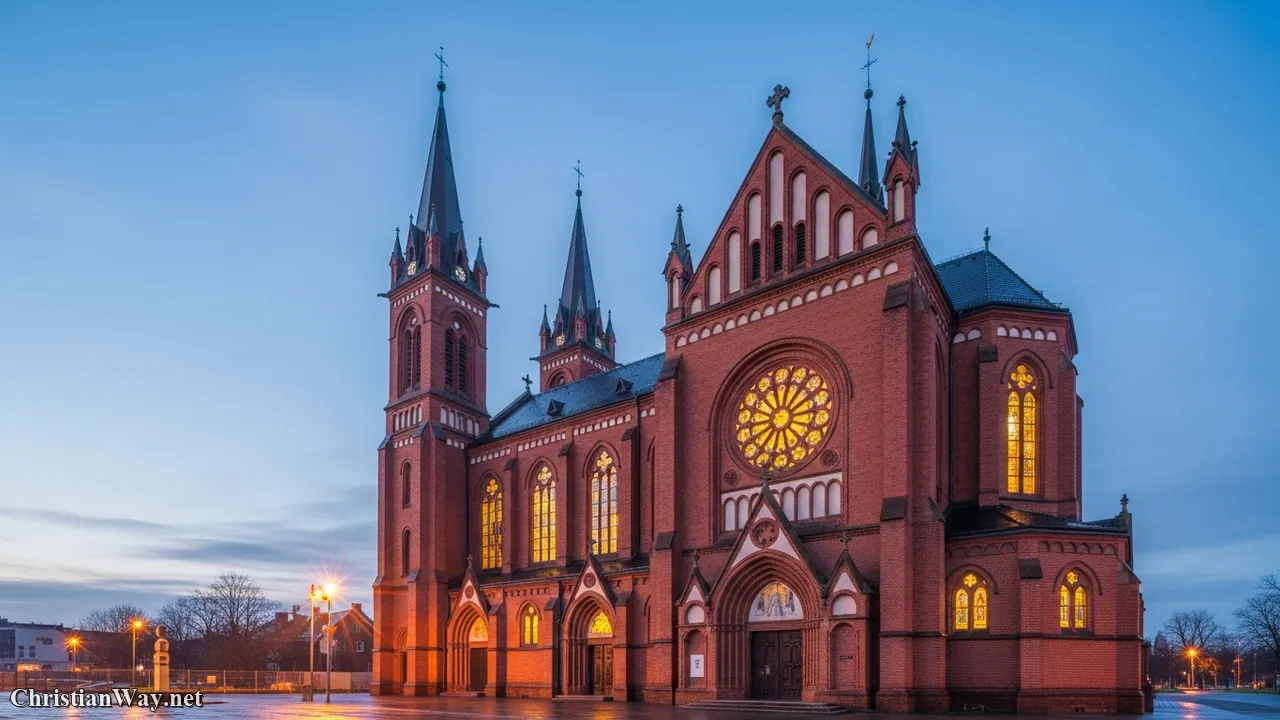
As a pastor, I find beauty in how this church survived the decades of the DDR (East Germany), remaining a light in a secular landscape. It teaches us that Christ remains with us, “the Bread of Life,” even when the world around us feels spiritually hungry. To visit here is to reconnect with the simple, profound truth that we are never alone on our journey; He is with us in the breaking of the bread.
Spiritual Highlights
- Feast of the Body: Dedicated to the Real Presence of Christ in the Eucharist.
- Architecture: A stunning example of the Berlin “Brick Gothic” revival style.
- Scripture: “I am the living bread that came down from heaven.” (John 6:51)
Top 9. St. Bonifatius
Rising above the vibrant and often chaotic streets of Kreuzberg, the twin towers of St. Bonifatius stand as a sentinel of peace. Named after the “Apostle of the Germans,” this church reflects the missionary spirit that brought the Gospel to these lands over a millennium ago. The Neo-Gothic design, with its sharp spires and intricate stonework, directs our eyes upward, away from the noise of the city and toward the eternal.
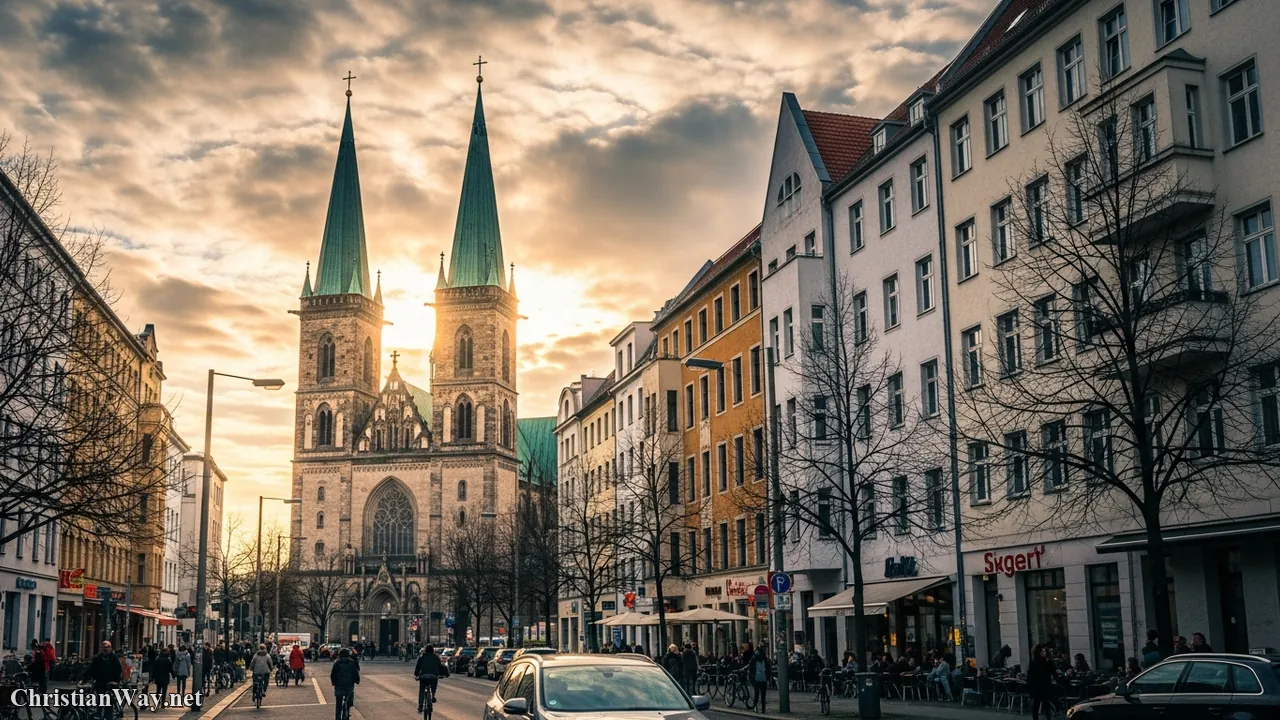
Entering St. Bonifatius, one is struck by the sense of scale. It is a reminder that our faith is big enough to hold all our questions. In the early 20th century, this was one of the largest parishes in the city, and today it remains a melting pot of cultures. It serves as a beautiful metaphor for the Church itself: many members, one body, standing firm like the roots of an ancient tree while its branches reach for the sky. It is a place to find your footing when the world feels unsteady.
Spiritual Highlights
- The Apostle’s Legacy: Honors St. Boniface, who fearlessly spread the faith in Germany.
- Urban Landmark: Its 75-meter towers are a defining feature of the Kreuzberg skyline.
- Pastoral Note: A vibrant center for international Catholic life in modern Berlin.
Top 8. St. Clemens
There is a unique stillness to be found in St. Clemens, located near the historic Anhalter Bahnhof. While other churches may impress with their size, St. Clemens impresses with its silence. For many years, this has been a sanctuary for Perpetual Adoration. Here, the Lord is never left alone; the door is open, and a candle always burns before the Blessed Sacrament. It is a place where the “still, small voice” of God can finally be heard over the roar of the Berlin traffic.
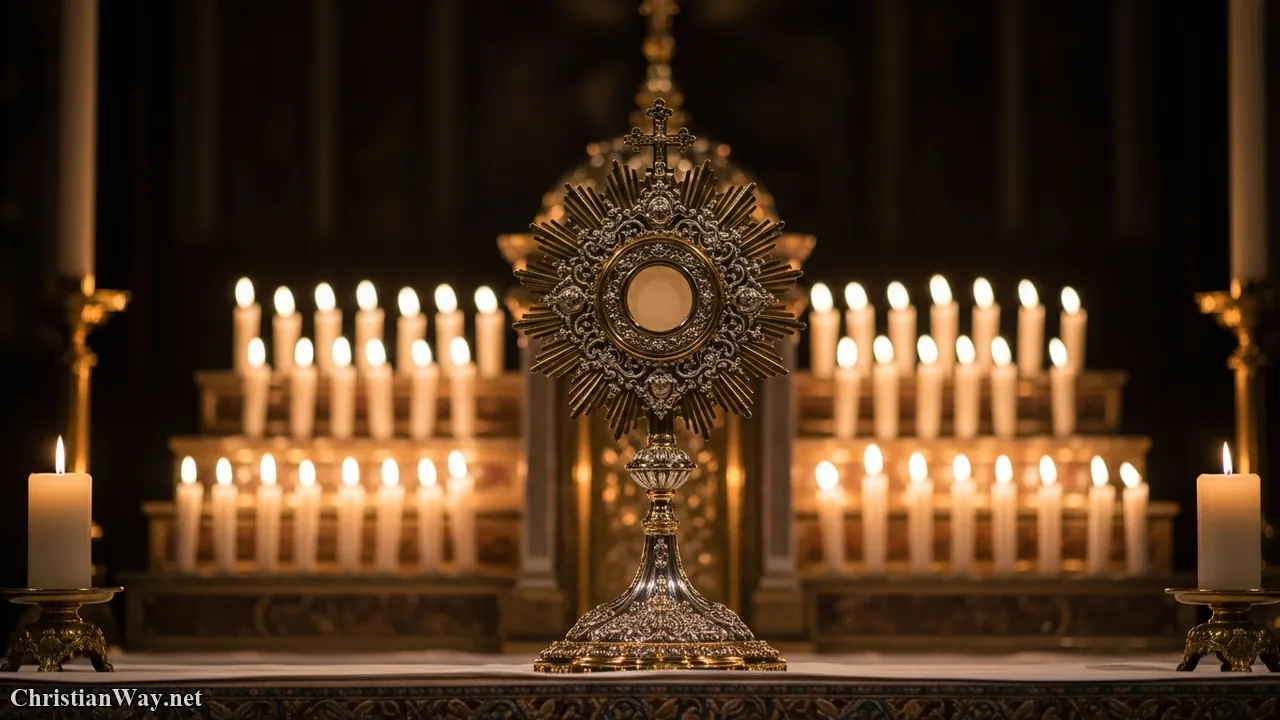
Visiting St. Clemens is like coming home to a parent’s embrace. In our busy lives, we often feel we must perform or achieve, but here, the only requirement is to *be*. As you sit in the presence of the Monstrance, remember that the gaze of Christ is one of pure love. Many a weary traveler has found their strength renewed within these humble walls. Christian Way encourages every pilgrim to spend at least fifteen minutes here in quiet contemplation.
Spiritual Highlights
- Perpetual Adoration: A rare and precious site for continuous prayer before the Eucharist.
- History: Rebuilt with simplicity after the heavy destruction of World War II.
- Scripture: “Be still, and know that I am God.” (Psalm 46:10)
Top 7. St. Ludwig
Often referred to as the “Cathedral of the West,” St. Ludwig dominates the picturesque Ludwigkirchplatz in Wilmersdorf. Its architecture is a triumph of Neo-Gothic design, with high-vaulted ceilings and stained glass that bathes the interior in a kaleidoscope of divine light. There is a regal quality to this church, fitting for its namesake, St. Louis IX of France, who was both a king and a humble servant of the poor.
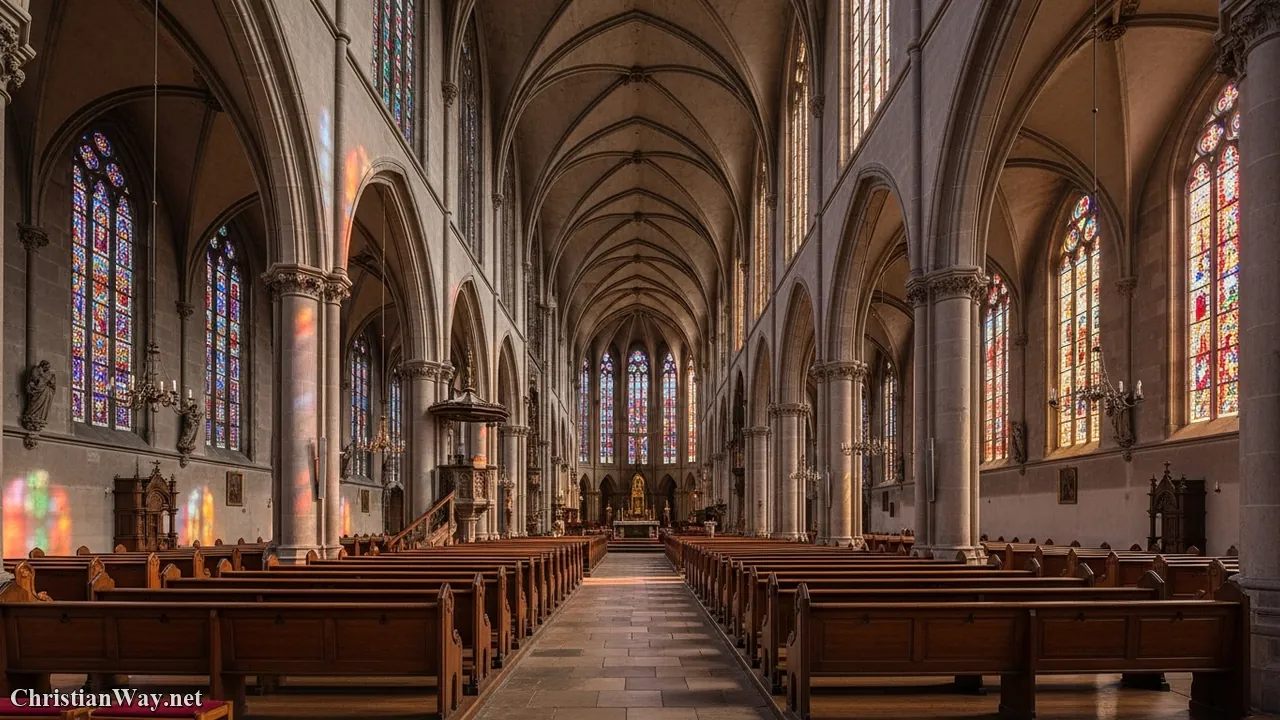
Walking through the nave of St. Ludwig, one feels the weight of sacred history. The church was built to be a beacon of beauty in a wealthy district, yet its true wealth lies in the liturgy celebrated within. The acoustics here are heavenly, making the Gregorian chant or organ music feel like an echo of the celestial choirs. It is a place that challenges us to bring our very best to God—not out of vanity, but as an act of worship for the King of Kings.
Spiritual Highlights
- Artistic Splendor: Known for its intricate altarpieces and majestic organ.
- Community Hub: The square outside serves as a “parish garden” for the whole neighborhood.
- Reflective Note: A perfect place to meditate on the “Kingship of Christ” in our own hearts.
Top 6. St. Canisius
For those who find God in simplicity and modern lines, St. Canisius in Charlottenburg is a revelation. This Jesuit church, completed in 2002 after its predecessor was destroyed by fire, is a marvel of light, wood, and concrete. It does not rely on the ornaments of the past to evoke the sacred; instead, it uses space and silence. The way the light filters through the high windows, shifting as the sun moves, reminds us that the Holy Spirit is always in motion, always new.
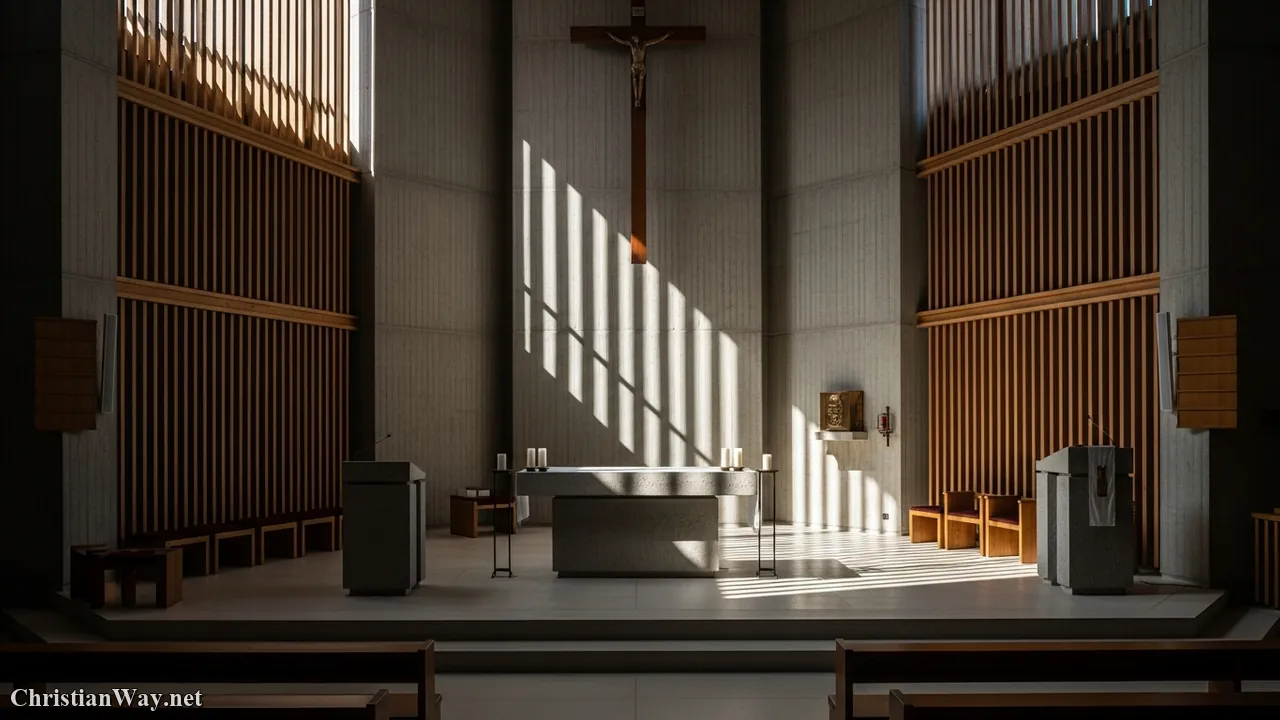
In this space, there is nowhere to hide, and that is a beautiful thing. It strips away the distractions of the world and leaves us alone with the Word. The Jesuits have a saying: “Finding God in all things,” and in St. Canisius, you find Him in the grain of the wood and the coolness of the stone. It is a profoundly honest building. For the modern believer struggling with the complexities of life, this church offers a clean, bright space to start again.
Spiritual Highlights
- Award-Winning Design: A world-renowned example of 21st-century sacred architecture.
- Jesuit Spirit: Reflects the Ignatian spirituality of clarity, discernment, and service.
- Atmosphere: Minimalist interior that emphasizes the “Liturgy of the Word.”
Top 5. St. Matthias
St. Matthias, standing proudly on Winterfeldtplatz, is more than just a beautiful Neo-Gothic structure; it is a monument to moral courage. It was from this pulpit that the Blessed Clemens August Graf von Galen, the “Lion of Münster,” preached before he became a bishop. His fearless witness against the evils of his time reminds us that the Church must always be a voice for the voiceless and a defender of human dignity.
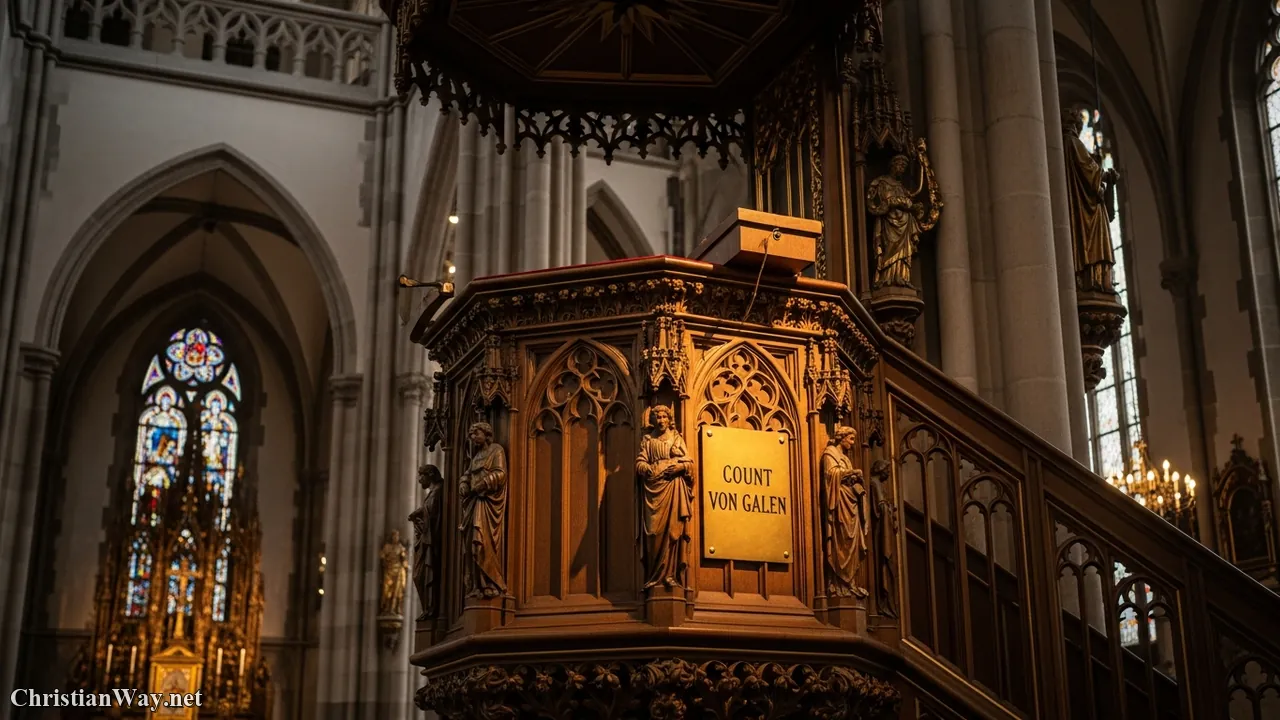
As you sit in the pews of St. Matthias, let the spirit of those brave souls wash over you. The church has been beautifully restored, and its vibrant stained glass tells the story of our salvation with striking color. It is a place that asks us: “What is God calling you to stand up for today?” Faith here is not a passive thing; it is an active, breathing commitment to the Truth. It is a sanctuary that strengthens the spine as much as it comforts the soul.
Spiritual Highlights
- Legacy of Courage: Associated with the resistance movements of the 1930s and 40s.
- The Organ: One of Berlin’s most significant instruments, used for world-class recitals.
- Scripture: “We must obey God rather than men.” (Acts 5:29)
Top 4. Sacred Heart (Herz-Jesu-Kirche)
Stepping into Herz-Jesu-Kirche is like entering a golden dream of Byzantium hidden within a typical Berlin street. From the outside, the church is integrated into the residential facade, a humble presence in the neighborhood. But once you cross the threshold, you are met with breathtaking murals that cover every inch of the walls and ceilings. The “Christ Pantocrator” in the apse gazes down with eyes that see everything—yet eyes that are filled with infinite compassion.
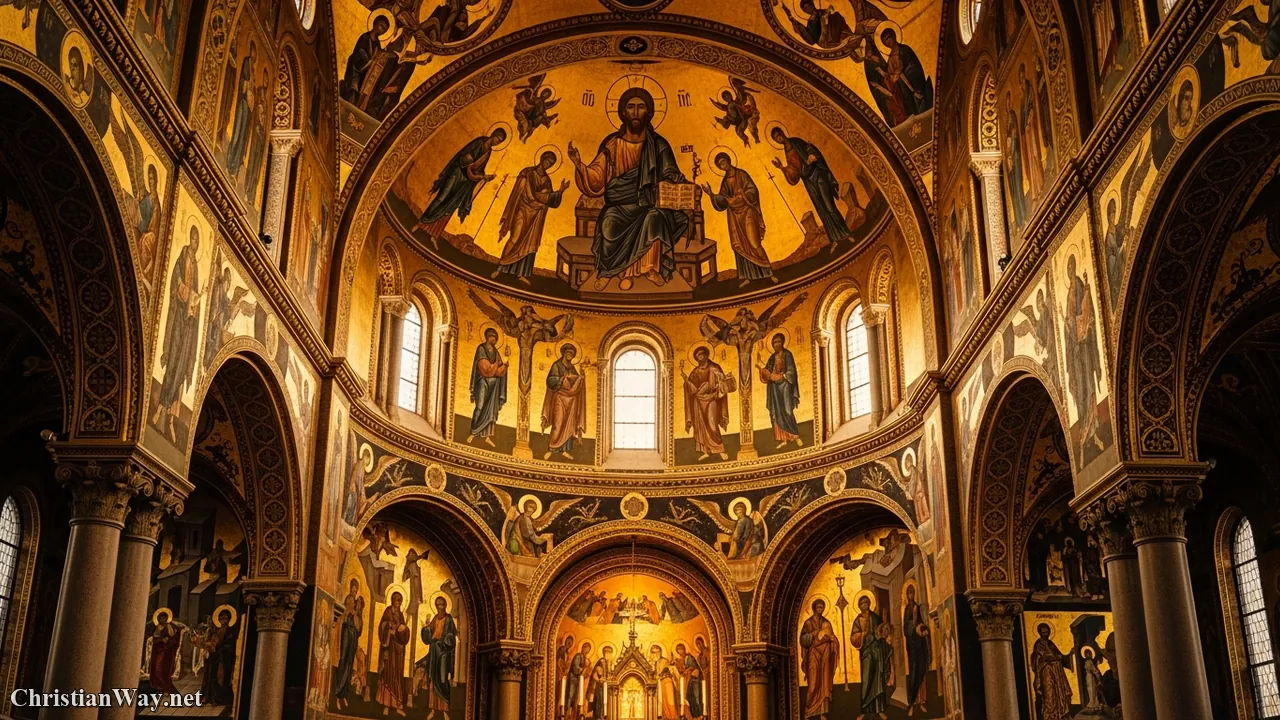
This church was built to serve the influx of Catholic workers from Silesia and Poland, and it still feels like a sanctuary for the “stranger in a strange land.” The art here is not just decoration; it is a “Biblia Pauperum,” a Bible for the poor, telling the story of God’s love through image and color. In a world that is often gray and transactional, Herz-Jesu is a reminder that our inner life should be as rich and colorful as these walls. It is a place to rediscover the wonder of being a child of God.
Spiritual Highlights
- Byzantine Influence: Rare and exquisite Neo-Byzantine frescos unique in Berlin.
- Hidden Treasure: One of the city’s most surprising interiors, tucked away behind a modest exterior.
- Pastoral Theme: Dedicated to the Sacred Heart, the furnace of divine charity.
Top 3. Maria Regina Martyrum
To visit Maria Regina Martyrum is to embark on a pilgrimage of the heart. Located near the Plötzensee Memorial—where many were executed during the Nazi regime—this church was built as a “Gedächtniskirche” (Memorial Church) for the martyrs of freedom and faith. The architecture is deliberate and stark: a large, open courtyard (the “Feierhof”) surrounded by gray walls, leading into a dark, upper church that feels like a fortress of prayer.
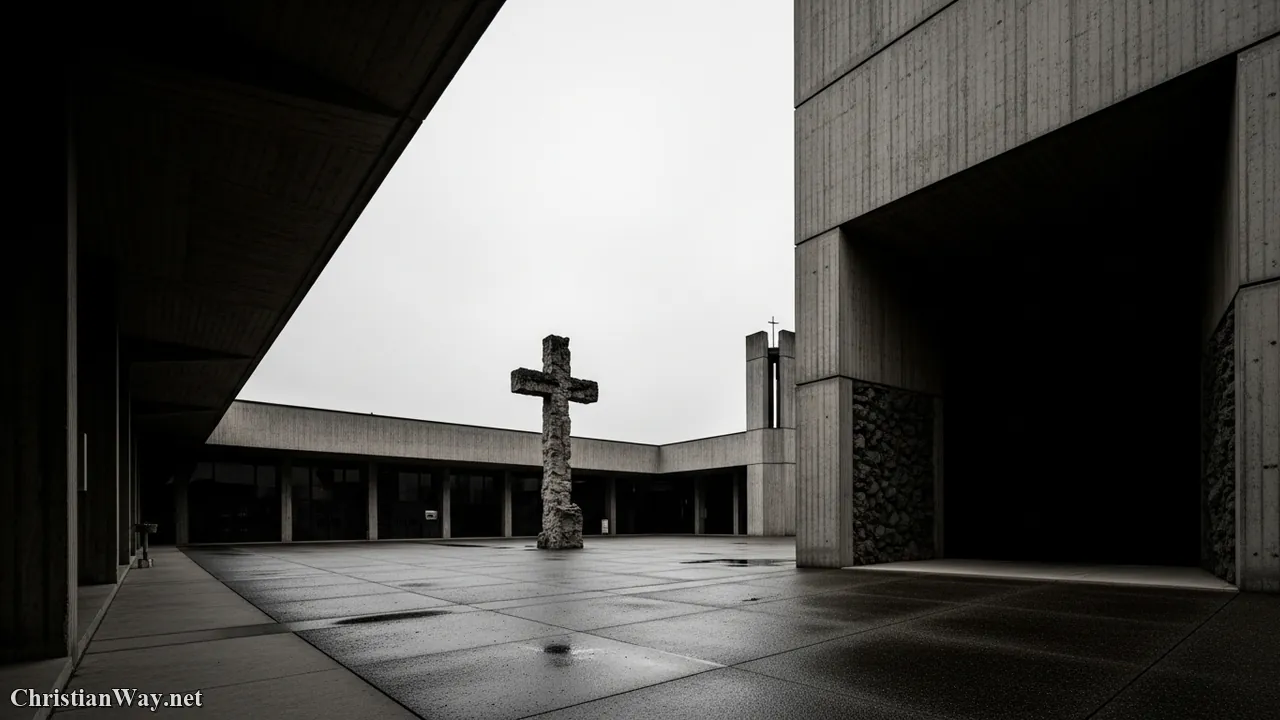
The theology here is one of the Cross. It does not shy away from the reality of suffering, but it points toward the hope of the Resurrection. In the crypt, the remains of martyrs like Erich Klausener remind us that the light shines in the darkness, and the darkness has not overcome it. This is not a church for casual sightseeing; it is a place for deep, transformative reflection. It challenges us to consider what we are willing to die for, so that we might truly know what it means to live.
Spiritual Highlights
- National Shrine: The official memorial of German Catholics to the victims of National Socialism.
- Artistic Power: Features a monumental altar wall painting of the “Heavenly Jerusalem.”
- Scripture: “Greater love has no one than this: to lay down one’s life for one’s friends.” (John 15:13)
Top 2. Basilica of St. John the Baptist
As the largest Catholic church in Berlin, the Basilica of St. John the Baptist (Johannes-Basilika) is a true powerhouse of the faith. Its Neo-Romanesque facade, with its sturdy towers and rounded arches, speaks of a faith that is ancient, solid, and welcoming. Originally built as a garrison church, it now serves as the seat of the Military Ordinariate of Germany and a bustling parish for a diverse community.
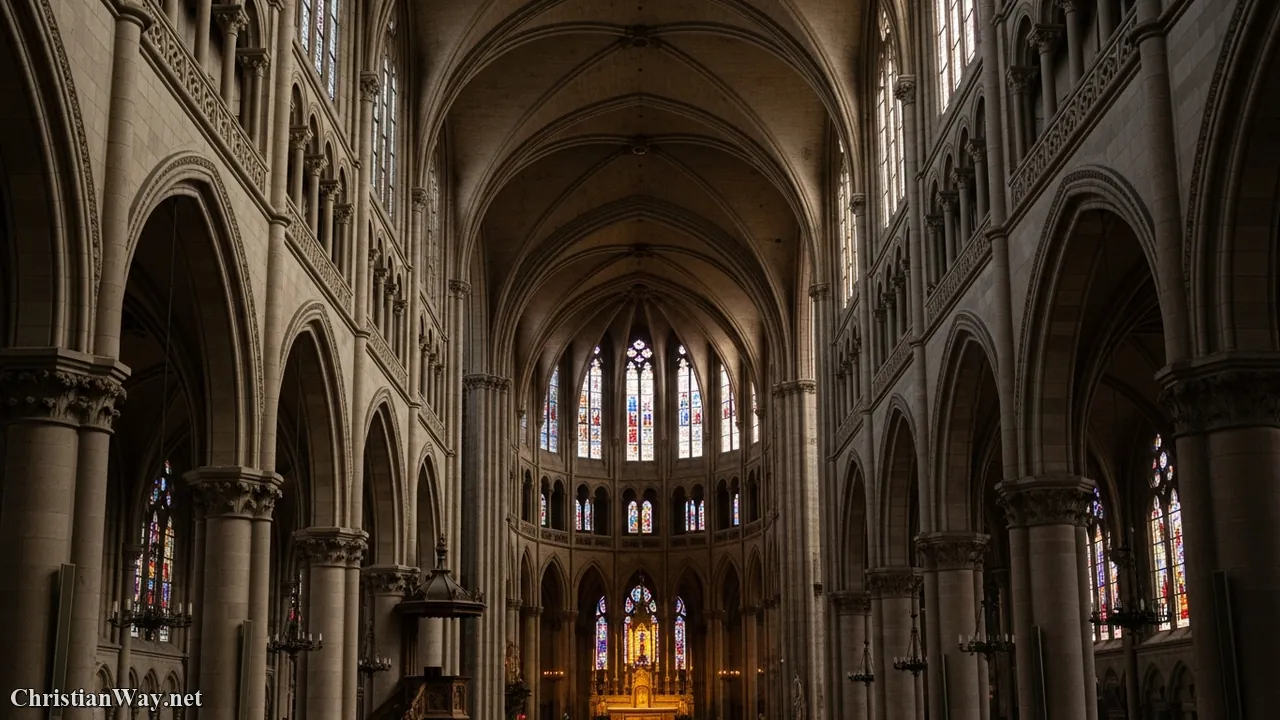
When you walk into the Basilica, the sheer volume of the space invites a deep intake of breath. The high altar is a masterpiece, and the light that flows through the clerestory windows gives the nave a warm, golden hue. Despite its size, it remains a place of profound personal encounter. I have often seen people from all walks of life—soldiers, students, and grandparents—kneeling side by side here. It is a reminder that in the eyes of God, we are all part of the same family. It is a place of scale, yes, but also a place of great fatherly warmth.
Spiritual Highlights
- Basilica Minor: One of only a few churches in Berlin granted this honorary title by the Pope.
- Historical Survival: Remarkably survived the air raids of WWII with its interior largely intact.
- Liturgical Life: Known for grand celebrations and a vibrant, traditional liturgical spirit.
Top 1. St. Hedwig’s Cathedral
We arrive at the heart of Catholic Berlin: St. Hedwig’s Cathedral. Standing on Bebelplatz, its iconic green dome is a silhouette of hope. Built in the 18th century by order of Frederick the Great, it was the first Catholic church constructed in Prussia after the Reformation. Its circular design, inspired by the Pantheon in Rome, suggests that the grace of God has no beginning and no end; it encompasses us entirely.
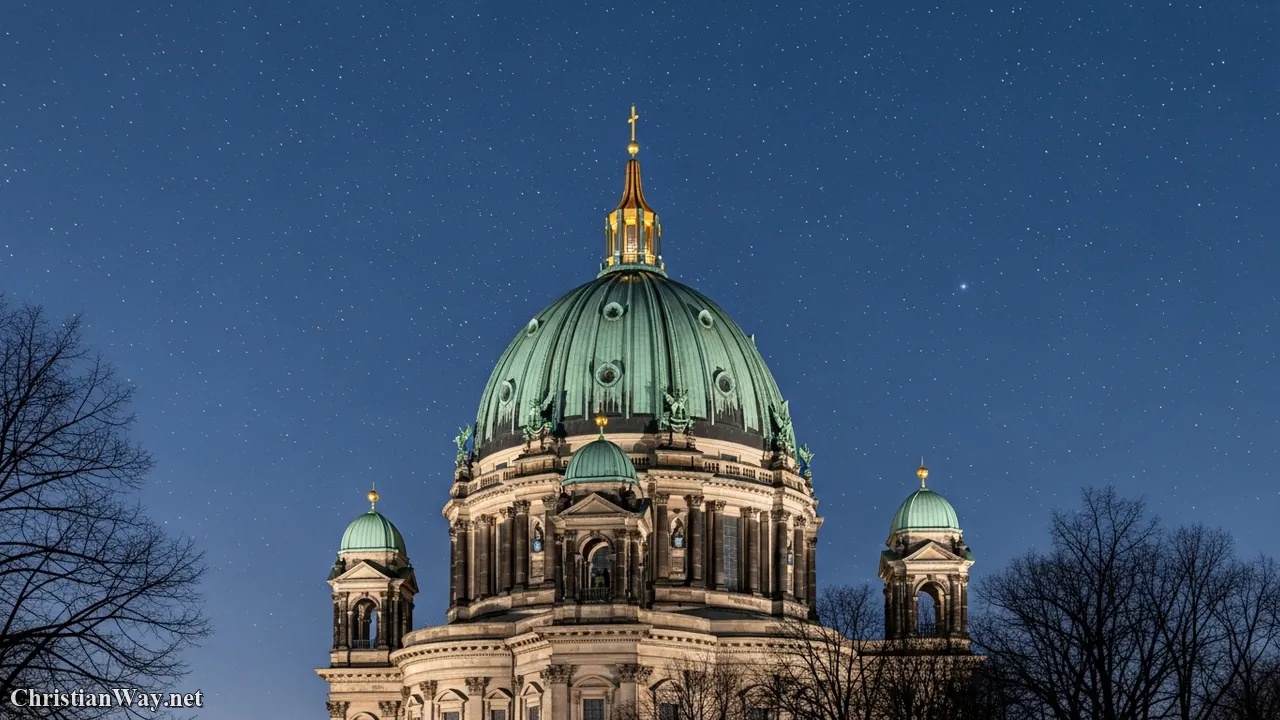
St. Hedwig’s is the seat of the Archbishop, making it the “mother church” of the diocese. It is also the resting place of Blessed Bernhard Lichtenberg, the cathedral provost who was martyred for his public prayers for the persecuted Jews during the Third Reich. To stand at his tomb is to touch the very soul of the Church in Berlin—a faith that prays, a faith that acts, and a faith that loves without borders. Following its recent extensive renovation, the cathedral has been reimagined as a modern space of encounter, yet it remains rooted in the ancient promise: “I am with you always.” It is the ultimate destination for any pilgrim in Berlin.
Spiritual Highlights
- Episcopal Seat: The spiritual center of the Archdiocese of Berlin.
- A Saintly Witness: Home to the relics of Bl. Bernhard Lichtenberg, a model of modern conscience.
- Architectural Icon: A unique circular structure that symbolizes the unity of the people of God.
Reflect and Pray
As we conclude our journey through the **Top 10 Catholic Churches in Berlin**, I hope you feel a sense of the “cloud of witnesses” that surrounds us in this city. Whether in the silent adoration of St. Clemens or the majestic halls of St. Hedwig’s, the message is the same: God is here. He has been here through the fires of war, the walls of division, and the quiet years of rebuilding. He is here now, waiting for you.
May your visits to these sacred spaces be more than just tours; may they be encounters with the Living God. Take a moment today to pray for the people of Berlin and for the Church throughout the world, that we may all be witnesses to the peace and light of Christ.
— Fr. John Matthew, for Christian Way