Walk with St. Óscar Romero, the courageous shepherd of El Salvador who found Christ in the poor and gave his life for the Gospel.
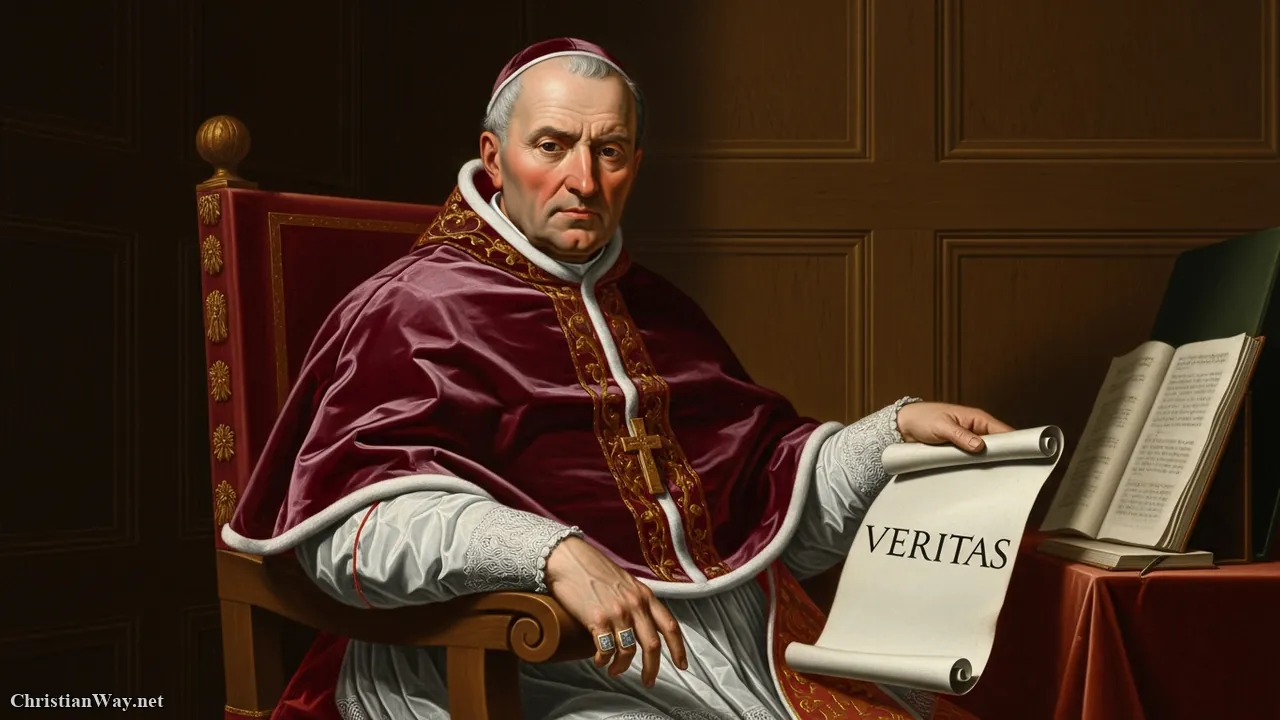
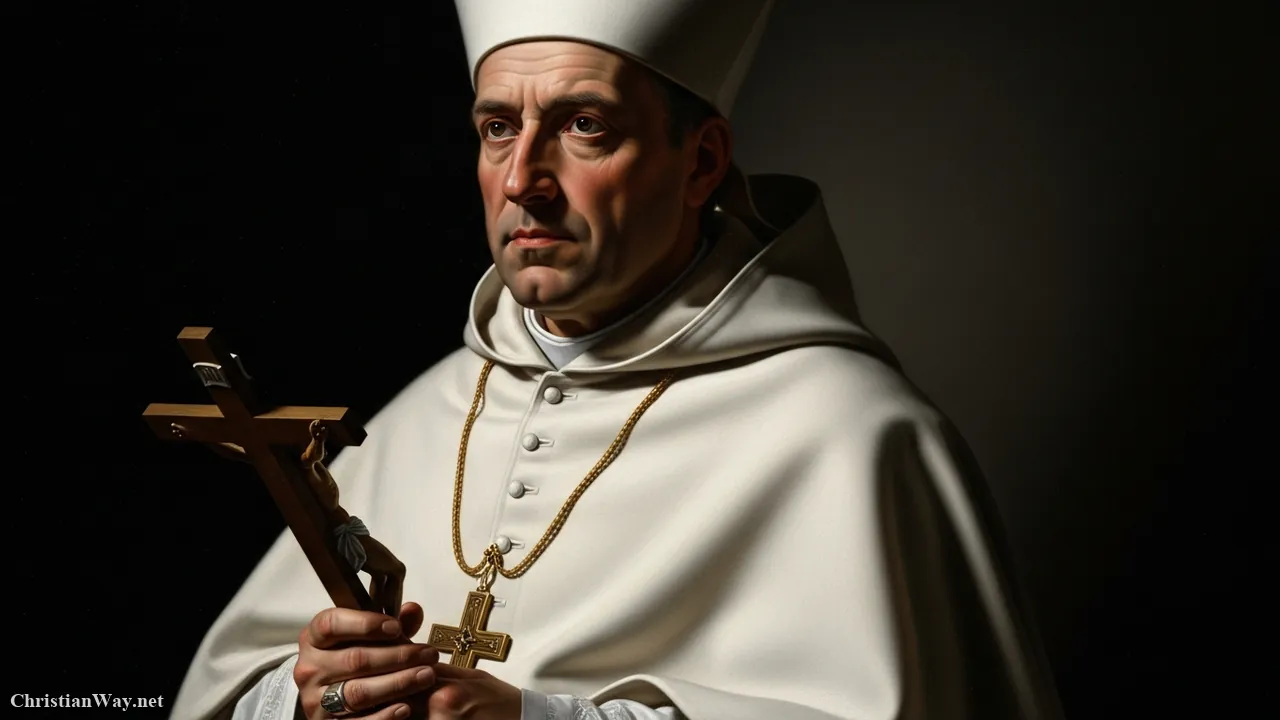
Dear friends, welcome. Today, we turn our hearts toward a figure who reminds us that the path to holiness is often paved with difficult choices and courageous love. To speak of Saint Óscar Romero is to speak of a shepherd who did not flee when the wolves arrived. He is affectionately known to his people simply as “Monseñor”—a father who listened to the cry of the poor and realized that he could not remain silent while God’s children suffered.
His life is a testament that it is never too late for a profound conversion of heart, and that the Gospel, when lived fully, is a dangerous and beautiful force in the world. Let us journey together into the life of this modern martyr.
Profile of Holiness
| Attribute | Detail |
|---|---|
| Birth Name | Óscar Arnulfo Romero y Galdámez |
| Lifespan | August 15, 1917 – March 24, 1980 |
| Birthplace | Ciudad Barrios, El Salvador |
| Service Period | Archbishop of San Salvador (1977–1980) |
| Feast Day | March 24 |
| Patronage | Christian Communicators, El Salvador, The Persecuted, Caritas Internationalis |
| Key Virtue | Prophetic Courage & Charity |
The Early Call: From Carpenter’s Son to Quiet Scholar
Born in 1917 in the high mountains of Ciudad Barrios, Óscar was intimately familiar with the humble life. The son of a telegrapher, he initially trained to be a carpenter, working with wood much like our Lord’s earthly father, Joseph. Yet, the tug of the altar was undeniable. Even as a young boy, his heart was tuned to the silence of the church rather than the noise of the town square.
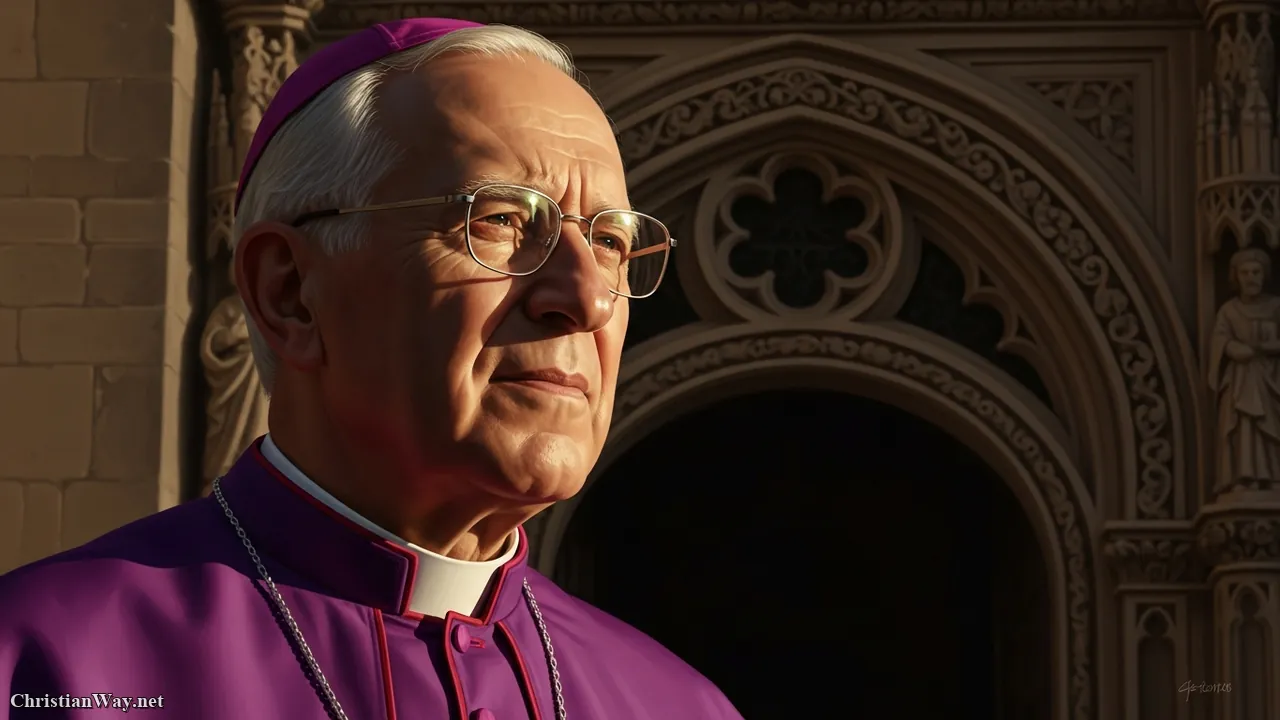
It is important for us to understand that the fiery prophet we venerate today was not always seen as a radical. In his early priesthood and even into his early years as a bishop, Romero was considered a conservative, quiet, and bookish man. He loved order and was wary of the rapid social changes sweeping through Latin America. He was chosen as Archbishop largely because the powerful elite believed he would not rock the boat; they thought he would be a safe keeper of the status quo.
But God works in the quiet corners of the soul. Through his prayer and his administration of the sacraments, a seed was waiting to burst forth. He was a man of deep prayer, often found on his knees before the Blessed Sacrament. It was this foundational relationship with Jesus that would eventually give him the strength to undergo a “second conversion”—a turning of the heart that would align him completely with the suffering Christ present in the marginalized people of El Salvador.
The Great Work: The Shepherd of the Oppressed
The turning point in Monseñor’s life came with a tragedy that shook him to his core: the assassination of his close friend, Father Rutilio Grande, a Jesuit priest who served the rural poor. When Romero viewed the bullet-riddled body of his friend, along with an old man and a teenager killed with him, the scales fell from his eyes. He realized that the Church could not remain neutral when injustice was hunting down the children of God. He famously said, “If they kill me, I shall rise in the Salvadoran people.”
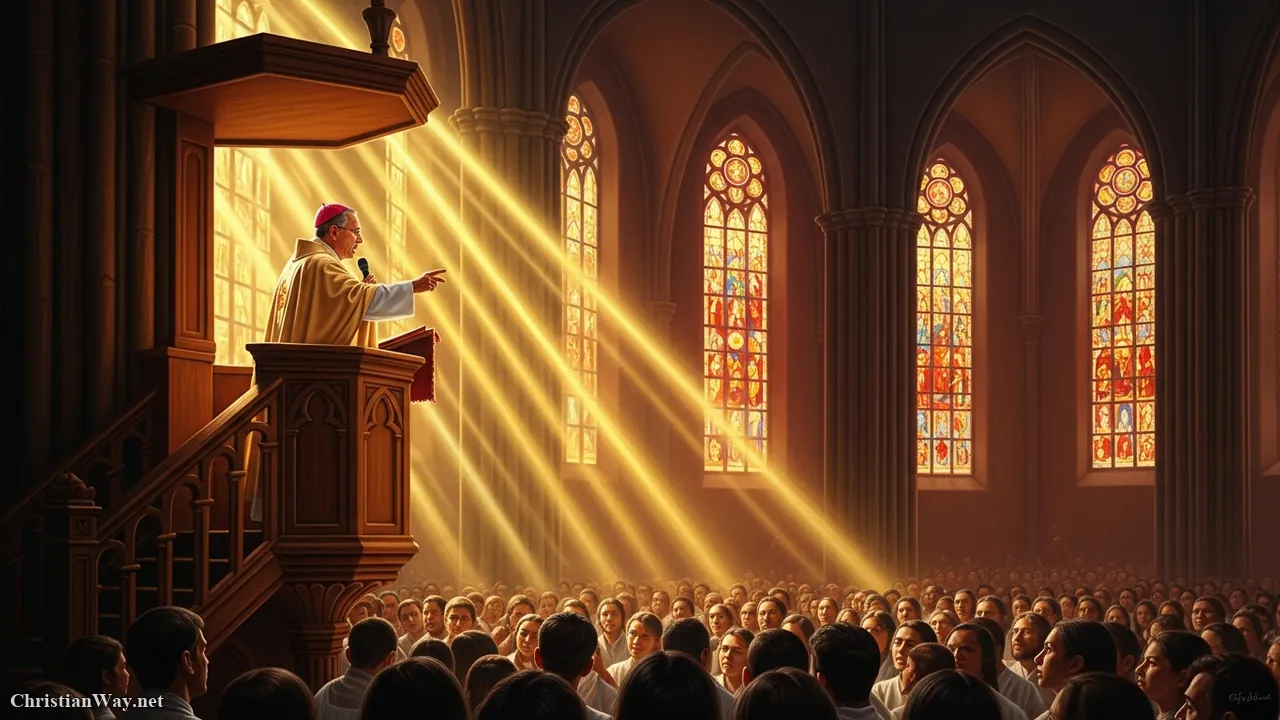
As Archbishop, Romero became the “voice of the voiceless.” In a time when the press was censored and fear gripped the nation, his Sunday homilies—broadcast by radio across the country—became the primary source of truth for the people. Families would gather around their radios to hear their shepherd defend their dignity, listing the names of the disappeared and demanding justice. Here at Christian Way, we often reflect on how true holiness requires engagement with the world, not an escape from it.
His ministry was deeply biblical. like the prophets Amos and Isaiah, Romero did not preach a political ideology, but a Gospel reality: that God is the defender of the orphan and the widow. He challenged the military and the government not with weapons, but with the Word of God, urging soldiers to obey the law of God—”Thou shalt not kill”—over the orders of their commanders. He showed us that the pulpit is a place of dangerous truth.
The Cross and the Crown: A Eucharistic Martyrdom
Every saint walks the Way of the Cross, and for Óscar Romero, the shadow of the Cross loomed large over his final years. He knew he was a target. He received daily death threats, and yet, he refused to abandon his flock or accept the protection of the very government that was oppressing his people. He chose to live in a small room at a hospital for cancer patients, Divine Providence, surrounding himself with the sick and the dying.
On March 24, 1980, the threats turned to violence. As Monseñor stood at the altar in the hospital chapel, celebrating the Holy Mass, a single gunshot rang out from the back of the church. He was struck in the heart just moments after finishing his homily, falling at the foot of the altar. His blood mingled, in a spiritual sense, with the blood of Christ he was preparing to offer.
It was a martyrdom in the most profound sense—he died while offering the sacrifice of the Eternal High Priest. For years, his cause for canonization faced hurdles, but the Holy Spirit moves in God’s time. In 2018, Pope Francis formally declared him a saint, confirming what the people of El Salvador had known for decades: San Romero de América lives in the presence of God.
Spiritual Highlights
- Conversion is Always Possible: Romero teaches us that no matter our age or past disposition, God can expand our hearts to love more deeply and courageously.
- The Option for the Poor: We cannot claim to love God if we ignore the suffering of our neighbor. Holiness is tied to how we treat the “least of these.”
- Truth Over Comfort: Being a Christian often means speaking uncomfortable truths. Romero reminds us that peace is not the silence of cemeteries, but the fruit of justice.
- Trust in Providence: “We are workers, not master builders; ministers, not messiahs.” He taught us to do our part and leave the outcome to God.
A Prayer for Intercession
Oh, courageous Saint Óscar Romero, shepherd who did not flee, we come to you today asking for a portion of your bravery. In a world that often prefers silence in the face of injustice, teach us to speak the truth with love. When we are tempted to close our eyes to the suffering of the poor, pry them open with the light of the Gospel. Walk with us, Monseñor, and remind us that to be a Christian is to give our lives, drop by drop, for our brothers and sisters. Pray for us, that we may see Christ in everyone we meet. Amen.
— Fr. John Matthew, for Christian Way